

The Narcotic Drugs and Psychotropic Substances Act, 1985 (NDPS Act) is one of the toughest anti-narcotics laws in India. Bail under the NDPS Act is extremely difficult to obtain, especially for serious offences involving commercial quantities. This guide explains the NDPS bail process in Ghaziabad, the conditions for bail, and what to do if you or a family member is arrested under the NDPS Act.
Understanding the NDPS Act and Bail Provisions
The NDPS Act classifies drugs into three categories, small, commercial, and intermediate quantity, with correspondingly severe penalties. For commercial quantities, the minimum punishment is 10 years rigorous imprisonment, and bail is almost impossible unless there are exceptional circumstances. For smaller quantities, bail may be granted if the accused satisfies the conditions laid down by the court.
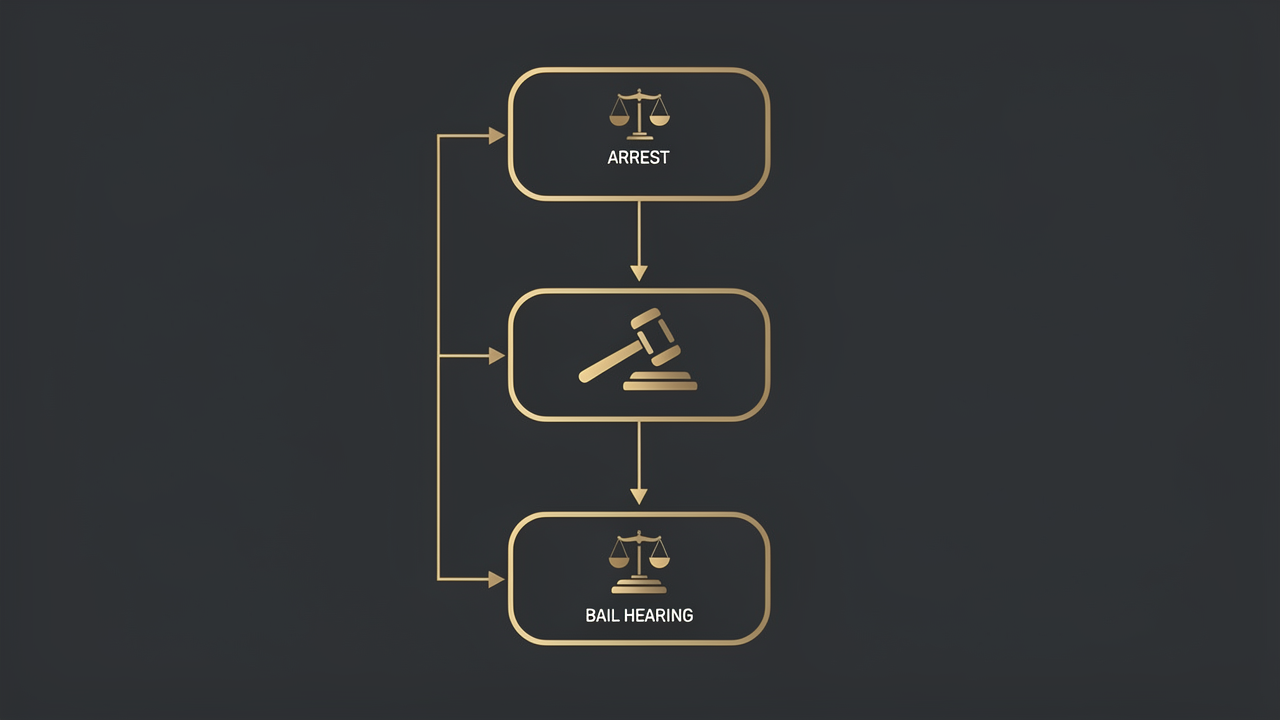
Under Section 37 of the NDPS Act, bail is not a matter of right. The accused must prove two conditions simultaneously:
- That there are reasonable grounds for believing that they are not guilty of the offence
- That they are not likely to commit any offence while on bail
How to Apply for NDPS Bail in Ghaziabad
Step 1: Engage a Criminal Lawyer Immediately
NDPS cases move quickly. Our NDPS lawyers in Ghaziabad should be engaged as soon as possible, ideally before or immediately after arrest, to prepare the bail application and gather supporting evidence.
Step 2: File the Bail Application
The bail application under the NDPS Act is filed before the Sessions Court in Ghaziabad. The application must include:
- Copy of the FIR
- Seizure memo and forensic analysis report
- Documents proving the quantity of the alleged contraband
- Evidence of previous good conduct
- Any other material showing that the accused is not guilty
Step 3: Court Hearing
The prosecution opposes the bail application, arguing that the accused is likely to abscond or tamper with evidence. The defence must rebut these arguments with evidence showing that the accused has strong roots in the community, is not likely to abscond, and has a reasonable defence on the merits.
Factors That Improve NDPS Bail Chances
- Small quantity: If the seized quantity falls in the small quantity category, bail chances are higher
- No prior convictions: A clean record significantly improves bail prospects
- Wrongful implication: Evidence showing the accused was falsely implicated (e.g., planted drugs, no recovery from personal possession)
- Cooperation with investigation: Voluntary disclosure and cooperation can be a mitigating factor
- Age and health: In some cases, the court considers the age and health of the accused
What to Do If Bail Is Rejected
If the Sessions Court rejects the bail application, you can approach the Allahabad High Court under Section 439 of the BNS. The High Court has broader powers to grant bail and can review the evidence more thoroughly. Our NDPS lawyers in Ghaziabad regularly file High Court bail appeals after Sessions Court rejection.
NDPS Act Classification — Understanding the Drug Categories
The Narcotic Drugs and Psychotropic Substances Act, 1985 classifies drugs into three categories. The classification determines the severity of punishment and chances of bail:
- Small quantity: Very small amounts (e.g., 5 grams for cocaine). Bail is relatively easier but still challenging
- Intermediate quantity: Larger amounts. Punishment ranges from 5-10 years rigorous imprisonment
- Commercial quantity: Large quantities (e.g., 250 grams of cocaine). Minimum 10-20 years rigorous imprisonment. Bail is almost impossible without exceptional circumstances
In Ghaziabad, NDPS cases are registered at the Anti-Narcotics Task Force (ANTF) unit of the Uttar Pradesh Police. Cases are tried in the Sessions Court in Ghaziabad.
How to Apply for Bail in NDPS Cases in Ghaziabad
Bail applications are filed before the Sessions Court in Ghaziabad. Grounds for bail include: wrongful implication, quantity below commercial threshold, procedural violations (no independent witnesses during search), separate personality (no knowledge of drugs), and genuine user exception for personal consumption.
The Ghaziabad Sessions Court has a dedicated roster for NDPS cases. Our bail lawyers in Ghaziabad can identify procedural lapses in the investigation to support bail pleas.
What to Do If You Are Arrested Under the NDPS Act
If a family member is arrested under the NDPS Act in Ghaziabad: do not sign documents without a lawyer, engage a lawyer within 48 hours, verify the drug quantity and category, check arrest procedure compliance under Section 42, and file bail immediately. Our criminal lawyers in Ghaziabad specialise in NDPS defence from the earliest stage.
Punishments Under the NDPS Act
- Small quantity: Up to 1 year imprisonment and/or fine up to ₹10,000
- Intermediate quantity: 5-10 years imprisonment and fine ₹50,000-₹1 lakh
- Commercial quantity: Minimum 10 years, maximum 20 years, fine ₹1-2 lakh
Repeat offences carry 1.5x the maximum punishment. Convicted persons cannot be released on parole until serving 80% of sentence for commercial quantities.
Bail Hearing Procedure in Ghaziabad Sessions Court
After filing, the court lists the application for hearing within 2-3 days, issues notice to the prosecution, hears both sides, and may grant interim bail. If bail is rejected by the Sessions Court, you can file a revision petition before the Allahabad High Court under Section 439(2) CrPC. Our bail lawyers in Ghaziabad can file revision petitions on your behalf.
Anticipatory Bail in NDPS Cases
If you fear being named in an NDPS FIR, you can apply for anticipatory bail under Section 528 BNS before arrest. This is useful for business owners facing potential searches, persons named in complaints but not yet arrested, or those fearing false implication. Our bail lawyers in Ghaziabad have successfully obtained anticipatory bail in NDPS cases.
NDPS Bail: How Drug Quantity Determines Your Chances
The NDPS Act classifies drugs into three categories based on quantity, and this classification directly determines bail eligibility:
Small quantity — likely bailable:
For small quantities (e.g., 5g of heroin, 100g of ganja), the offence is generally bailable. The court will grant bail as a matter of right upon furnishing bail bonds. Bail amount typically ranges from ₹10,000 to ₹50,000.
Intermediate quantity — bail at court’s discretion:
For intermediate quantities (e.g., 5g–50g of heroin), the offence is non-bailable but the court has discretion to grant bail. The court considers: nature of the offence, your criminal history, likelihood of absconding, and whether you will tamper with evidence. Bail is commonly granted in intermediate quantity cases if the accused has no prior record.
Commercial quantity — bail rarely granted:
For commercial quantities (e.g., 50g+ of heroin), bail is extremely difficult to obtain. Section 37 of the NDPS Act imposes stringent conditions — the court must be satisfied that there are reasonable grounds to believe you are not guilty.
Key factor: quantity at the time of seizure:
The exact quantity recovered by the police at the time of seizure determines the category. If the police claim a higher quantity than what was actually recovered, your NDPS lawyer in Ghaziabad can challenge the seizure memo and the chemical analysis report. Disputing the quantity can shift the case from commercial to intermediate or small quantity category.
Related Legal Guides
Need Expert Legal Representation in Ghaziabad?
Advocate Nilesh Bijlani and the team at Bijlani & Co. handle all practice areas across Delhi NCR courts.
Consult an Advocate in GhaziabadFrequently Asked Questions
Related Legal Guides
Need Expert Legal Representation in Ghaziabad?
Advocate Nilesh Bijlani and the team at Bijlani & Co. handle all practice areas across Delhi NCR courts.
Consult an Advocate in GhaziabadCan bail be granted in NDPS cases in Ghaziabad?
Yes, but it is difficult. Bail is more likely in cases involving small quantities of drugs and where the accused can demonstrate reasonable grounds for believing they are not guilty. Our advocates in Ghaziabad can assess your case and advise on bail prospects.
What is the punishment for NDPS offences in Ghaziabad?
For commercial quantities: minimum 10 years rigorous imprisonment, extendable to 20 years, with a fine of ₹1 lakh. For intermediate quantities: rigorous imprisonment up to 10 years with a fine of ₹1 lakh. For small quantities: rigorous imprisonment up to 6 months with a fine of ₹10,000.
Can bail be granted during the investigation stage?
Yes. You can apply for bail at any stage, during investigation, during trial, or after conviction. The earlier you apply, the better your chances, as the evidence is still being collected.
What if the forensic report confirms the substance is a narcotic?
A positive forensic report strengthens the prosecution’s case, but it does not automatically mean no bail. Our lawyers can argue that the quantity is small, that the recovery was illegal, or that there are other mitigating circumstances.
Need an NDPS Lawyer in Ghaziabad?
NDPS cases require specialised legal knowledge and aggressive defence strategy. Our NDPS lawyers in Ghaziabad have years of practice defending clients in NDPS cases before the Ghaziabad Sessions Court and the Allahabad High Court. Consult an advocate in Ghaziabad today.
Appeal Against Conviction in NDPS Cases
If you have been convicted in an NDPS case in Ghaziabad, you have the right to appeal. The appeal is filed before the Allahabad High Court (Lucknow Bench) within the stipulated time period (typically 30-90 days from the date of conviction, depending on the severity of the sentence).
Grounds for appeal in NDPS cases include: procedural violations during investigation (illegal search, lack of independent witnesses), failure to prove the chain of custody of the seized drugs, incorrect classification of the drug quantity, unreliable witness testimony, and violation of the accused’s constitutional rights during interrogation.
Our criminal lawyers in Ghaziabad have years of practice handling NDPS appeals before the Allahabad High Court and can identify strong grounds for overturning the conviction.
Bail After Conviction — Suspension of Sentence
Even after conviction, you can apply for suspension of sentence under Section 389 CrPC (now corresponding BNS provision). This allows you to remain out of custody while the appeal is being heard. The Ghaziabad Sessions Court or the Allahabad High Court can suspend the sentence if:
- The appeal has a reasonable chance of success
- The convicted person has roots in the community and is unlikely to abscond
- The convicted person has already served a substantial portion of the sentence
- The health or age of the convicted person warrants suspension
Suspension of sentence is particularly important in NDPS cases where the minimum punishment is 10 years. Our bail lawyers in Ghaziabad can file suspension applications to keep you out of jail while your appeal is pending.
Role of Defence Counsel in NDPS Cases in Ghaziabad
The role of a skilled NDPS defence lawyer cannot be overstated in drug cases. The NDPS Act is one of the most stringent laws in India, and the chances of conviction are high without proper legal representation. Our advocates in Ghaziabad specialising in NDPS cases provide complete defence services including: challenging the legality of the search and seizure, cross-examining prosecution witnesses, presenting alibi evidence, negotiating with the prosecution for discharge or acquittal, and filing appeals against conviction.
In Ghaziabad, NDPS cases are handled by specialised public prosecutors who are familiar with the Act and its provisions. Having a defence lawyer who is equally familiar with the NDPS Act and the Ghaziabad court system is essential for a fair trial. Our lawyers have successfully defended clients in NDPS cases before the Ghaziabad Sessions Court and the Allahabad High Court.
Frequently Asked Questions
1. Is NDPS offence bailable or non-bailable?
NDPS offences are categorised by drug quantity: (1) Small quantity — bailable (court must grant bail). Examples: 5g heroin, 100g ganja. (2) Intermediate quantity — non-bailable, court discretion. Examples: 5g-50g heroin. (3) Commercial quantity — non-bailable, stringent conditions under Section 37. Examples: 50g+ heroin. Quantity at seizure determines the category.
2. How long is bail denied in NDPS cases in Ghaziabad?
Timeline varies by quantity: Small quantity: bail granted immediately (same day or within 48 hours). Intermediate quantity: 2-4 weeks for hearing and decision. Commercial quantity: rarely granted, may take months. Section 37 imposes stringent conditions — the accused must prove they are not guilty and will not commit offences while on bail.
3. What is Section 37 of the NDPS Act?
Section 37 NDPS Act imposes two stringent conditions for bail in commercial quantity cases: (1) There are reasonable grounds to believe the accused is not guilty. (2) The accused is not likely to commit an offence while on bail. Both conditions must be satisfied. This makes commercial quantity bail extremely difficult to obtain.
4. Can police claim higher drug quantity than recovered in NDPS?
Yes, and this is frequently challenged. The seizure memo and chemical analysis report determine actual quantity. If police claim a higher quantity, your NDPS lawyer can: challenge the seizure memo for procedural errors, challenge the chemical analysis report for testing methodology, and request independent lab testing. Correcting quantity can shift the case from commercial to intermediate category.
5. What is the punishment for NDPS offences in India?
Punishments vary by quantity and drug type: Small quantity: up to 6 months imprisonment and/or fine up to Rs10,000. Intermediate quantity: up to 10 years and fine up to Rs1 lakh. Commercial quantity: minimum 10 years, maximum 20 years, and fine minimum Rs1 lakh (can be higher). Repeat offences carry double the minimum punishment.
6. What is the NDPS bail process in Ghaziabad?
Process: (1) Engage an NDPS lawyer immediately after arrest. (2) File bail application under Section 437 (Magistrate Court) or Section 439 (Sessions Court). (3) Lawyer presents grounds: first-time offender, minor role, no prior record, quantity dispute. (4) Prosecution files opposition. (5) Court hears arguments and decides. For commercial quantity, High Court may be required.
7. Can anticipatory bail be obtained for NDPS cases?
Yes, anticipatory bail can be filed under Section 437/439 CrPC before arrest. However, for NDPS cases involving commercial quantity, anticipatory bail is very difficult to obtain under Section 37 conditions. For small and intermediate quantities, anticipatory bail is more likely if you have no prior record and strong grounds.
8. What if the chemical analysis report shows higher quantity?
Challenge the report through your NDPS lawyer: request the lab report details and testing methodology, verify the chain of custody from seizure to lab, challenge sample collection procedure, and request independent testing. If the report is challenged successfully, the court may order retesting or accept the lower quantity claimed in the seizure memo.


