 and regular bail applications” style=”width: 100%; border-radius: 8px; margin: 24px 0;”>
Bail Lawyer in Ghaziabad: Anticipatory Bail, Regular Bail, and NBW Cancellation
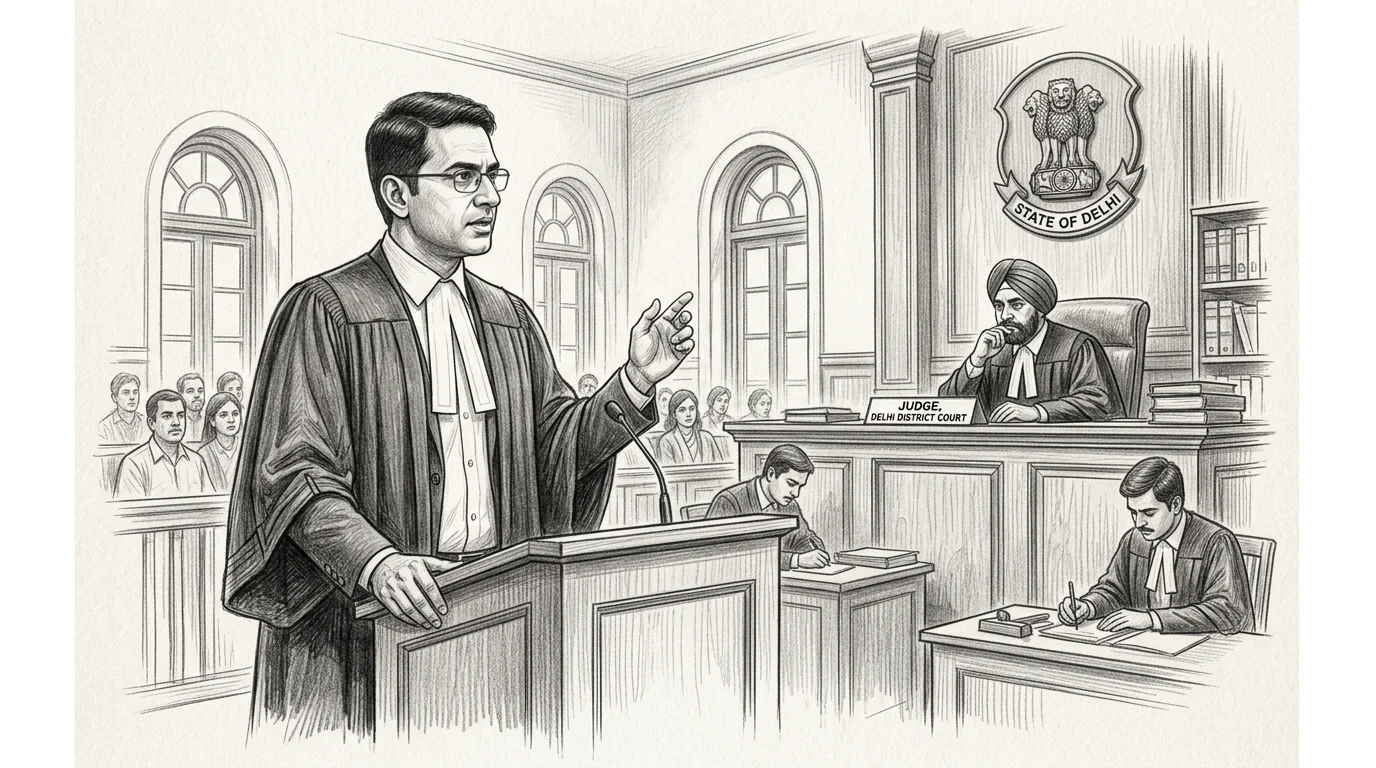
Bail is not a favour the court grants. It is a statutory right that your bail lawyer in Ghaziabad must assert correctly, at the right time, with the right documentation. The difference between spending time in custody and walking out on bail often comes down to how well your lawyer understands the applicable provision — Section 437, 438, or 439 of the Bharatiya Nyaya Sanhita — and how effectively they argue the grounds before the judge. Bijlani & Co. handles bail matters across Ghaziabad’s District Court, CJM Court, and the Allahabad High Court. We specialise in anticipatory bail, regular bail after arrest, NBW cancellation, and bail cancellation appeals.
Our criminal lawyers have secured bail in NDPS, POCSO, white-collar crime, and general criminal cases across Delhi NCR courts. We prepare bail applications that are specific to the court and the provision: Section 437 applications before the Magistrate Court follow a different format and argument structure than Section 438 applications before the Sessions Court. We also prepare our clients for what comes after bail — the conditions that come with it, and how to avoid bail cancellation.
Anticipatory Bail Under Section 438 BNS
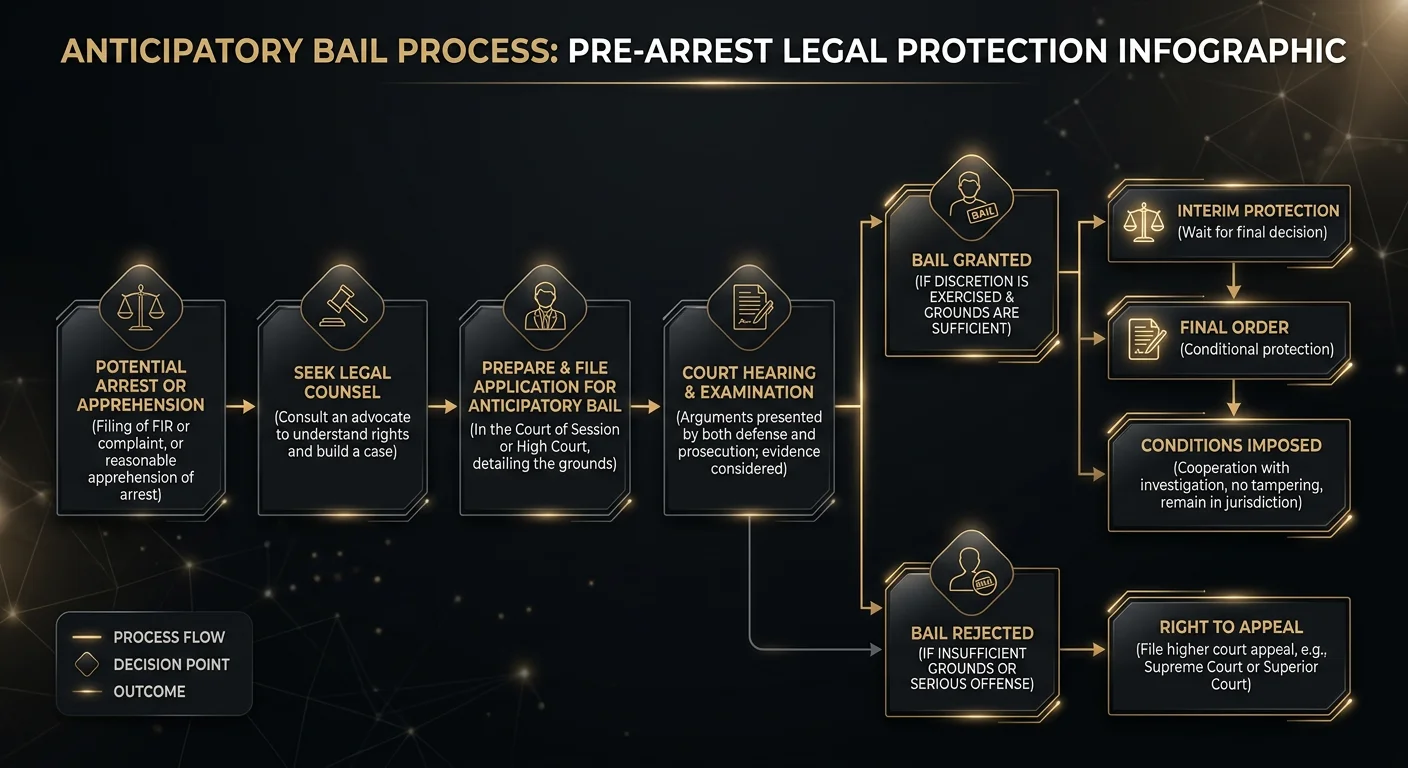
Anticipatory bail is filed before arrest. The purpose is to protect a person who reasonably apprehends arrest from being taken into custody while the investigation is ongoing. Section 438 can be invoked before the Sessions Court or the Allahabad High Court. The applicant must demonstrate that they have a genuine reason to believe that arrest is imminent and that the offence, while serious, does not make bail impossible. The court examines several factors: the nature and gravity of the alleged offence, the applicant’s role in the incident, whether there is a prima facie case against them, their criminal history, whether they are likely to flee, and whether they are likely to influence witnesses or tamper with evidence.
In NDPS cases, courts are more cautious. In general criminal cases, anticipatory bail is more readily available if the applicant cooperates with the investigation. An anticipatory bail application should include a detailed affidavit explaining why arrest is apprehended, copies of the FIR if registered, any notice received under Section 41 CrPC, supporting documents that establish the applicant’s roots in the community, and case law from the Allahabad High Court on similar facts. The application is filed, listed for hearing, and the court may grant interim protection pending the final order.
Regular Bail Under Section 437 and 439 BNS
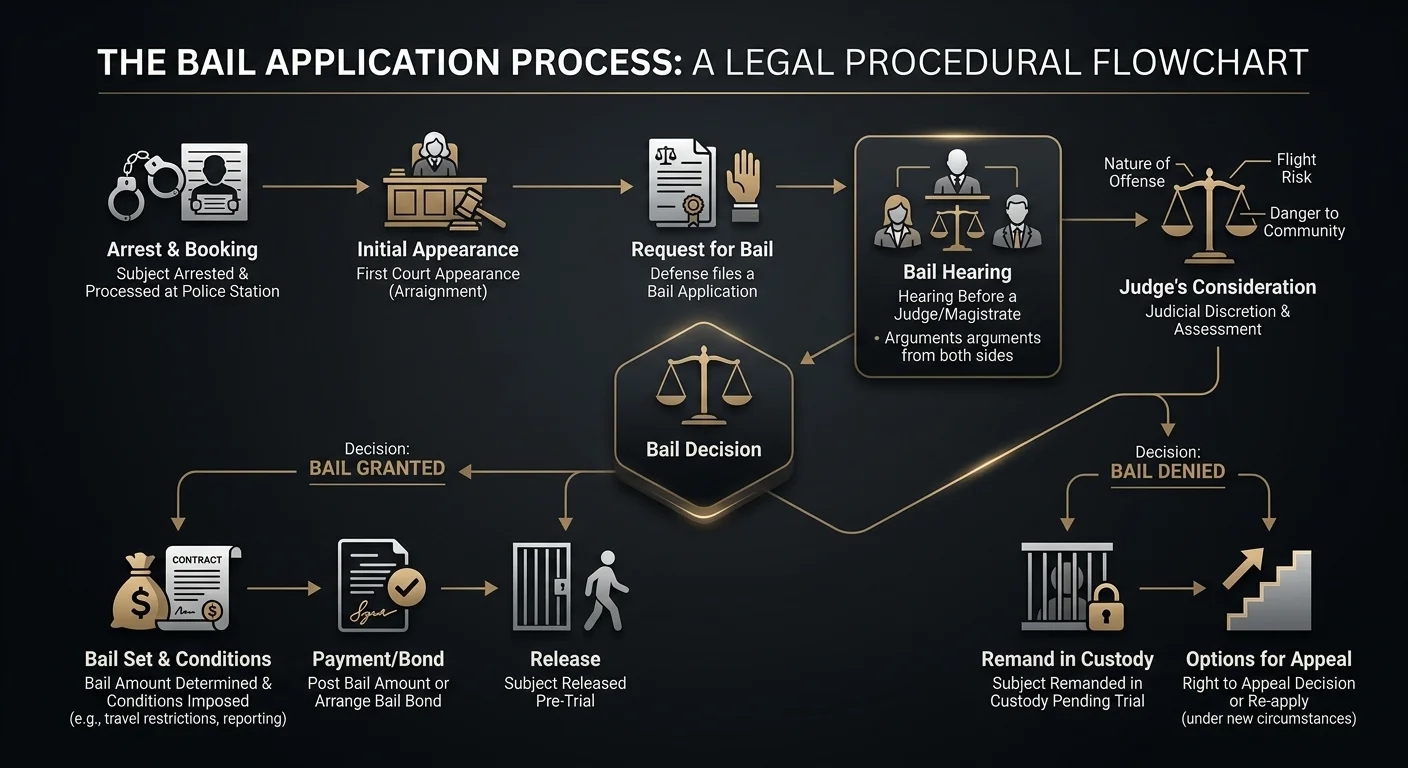
Regular bail is applied for after arrest. Section 437 governs bail before the Magistrate Court. Section 439 governs bail before the Sessions Court and the High Court. The grounds for regular bail differ from anticipatory bail. The court considers whether there is reasonable ground to believe the accused is not guilty, whether the accused has previously escaped custody, the nature and gravity of the offence, and whether the accused will commit similar offences while on bail. For offences punishable with imprisonment of more than 10 years, bail is more difficult but not impossible. The court must be satisfied that there are reasonable grounds for believing that the accused is not guilty of the offence and that they are not likely to commit any offence while on bail.
In practice, this means the defence must present a strong prima facie case for innocence at the bail hearing itself. Our bail lawyers prepare detailed arguments that address each of the court’s concerns, supported by documentary evidence and case law. We also prepare surety arrangements and ensure that our clients understand the bail conditions before the hearing.
NBW Cancellation and Bail Cancellation Defence
A non-bailable warrant is issued when an accused person fails to appear before the court on a scheduled date. NBW cancellation requires filing an application before the issuing court, explaining the reason for non-appearance, and demonstrating that the accused is now willing to appear regularly. Courts are generally receptive to NBW cancellation applications filed promptly, especially when accompanied by a surety and an undertaking to appear on all future dates. If bail is cancelled — whether because the accused violated bail conditions, committed a similar offence, or failed to appear — the accused is taken back into custody. Bail cancellation applications are filed by the prosecution under Section 437(5) or Section 439(2). The defence can oppose cancellation by demonstrating compliance with all bail conditions, no new offences, and continued presence in the jurisdiction.
Bail Conditions and Compliance in Ghaziabad Courts
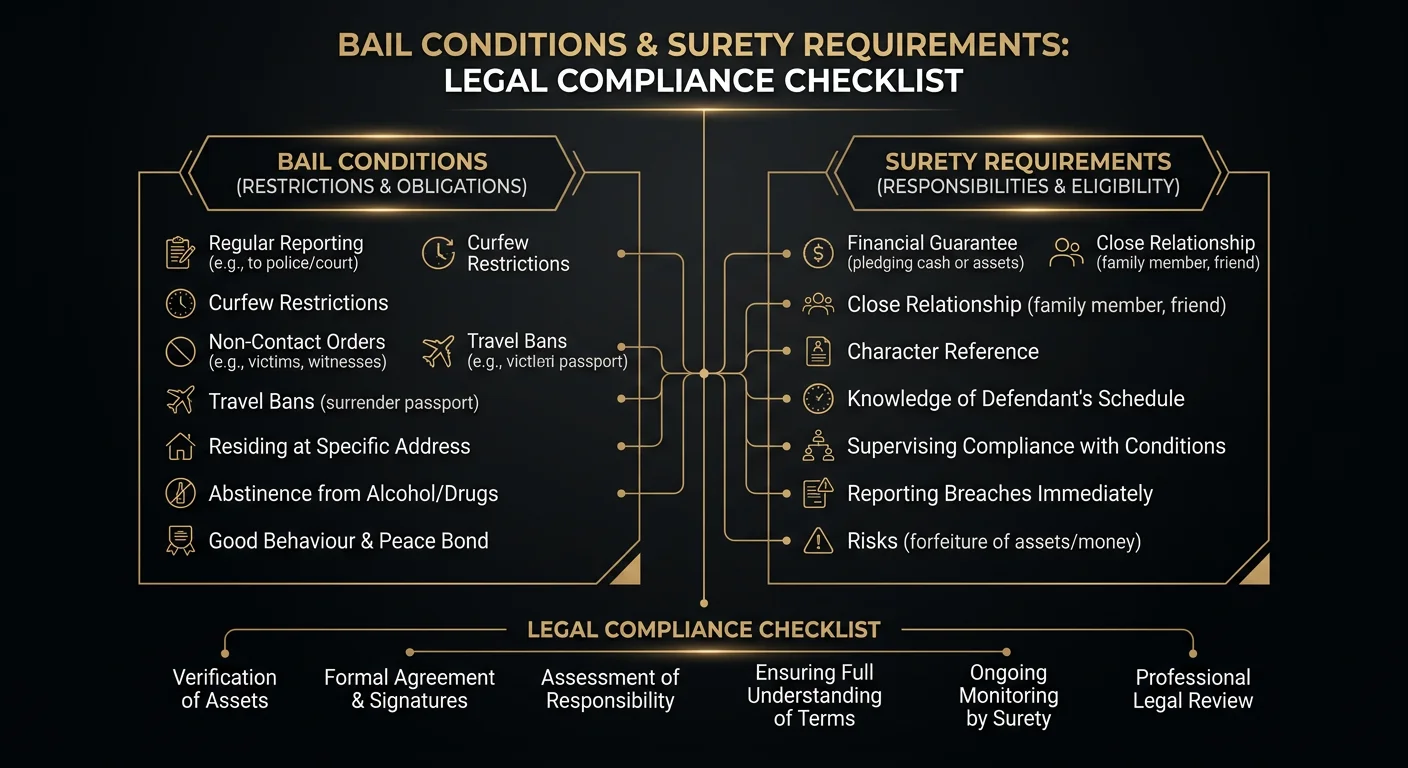
Bail comes with conditions: surrendering passports, reporting to the investigating officer periodically, not leaving the jurisdiction without court permission, and not contacting co-accused or witnesses. Violating any of these conditions can result in bail cancellation. Our bail lawyers explain these conditions clearly before the hearing so that you understand the obligations that come with the relief. We also file applications for modification of bail conditions when the original conditions are impractical — for example, when a client needs to travel for work or family reasons.
Bail hearings in Ghaziabad courts follow a specific procedural rhythm. Applications are listed, arguments are heard, and orders are passed within a framework that our bail lawyers understand from regular practice. We prepare bail applications that are specific to the court and the provision. Section 437 applications before the Magistrate Court follow a different format and argument structure than Section 438 applications before the Sessions Court. Section 439 applications before the High Court require a different approach, with more detailed case law citations and stronger evidentiary support.
Why Choose Bijlani & Co. for Bail in Ghaziabad
Our criminal lawyers have a track record of securing bail in challenging cases across Ghaziabad courts. We understand the procedural requirements of each court, the standards that judges apply, and the arguments that are most effective. We prepare every bail application with the same thoroughness, regardless of the offence or the court. We also prioritise urgent bail applications and request same-day hearings wherever possible, because every day in custody matters.
When to File for Anticipatory Bail in Ghaziabad
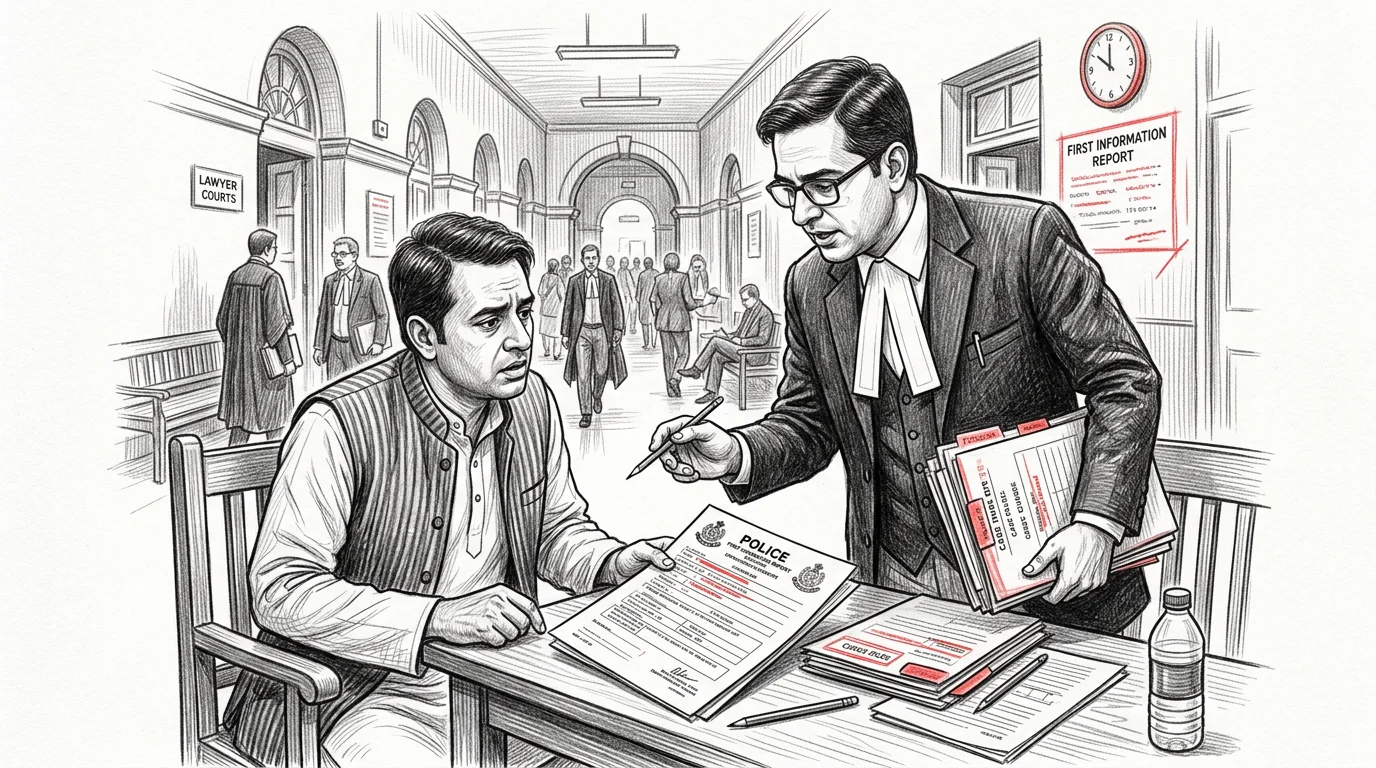
You should file for anticipatory bail as soon as you have reason to believe an arrest is imminent. The trigger is usually one of these situations: you have been named in an FIR and the police are actively looking for you, you received a police notice asking you to appear for questioning, a family member or associate was arrested in the same case and is implicating you, or you learned through informal channels that an FIR is being registered against you. Waiting until you are actually arrested defeats the purpose of anticipatory bail. Once arrested, you move for regular bail, which is procedurally more difficult. A bail lawyer in Ghaziabad will file the anticipatory bail application before the Sessions Court, supported by an affidavit and any documents showing that the allegations against you are baseless or that you have no prior criminal record. The Sessions Court in Ghaziabad typically sets a hearing within a few days, and if satisfied, grants interim protection pending the final hearing.
Conditions the Court May Impose on Bail
When the Ghaziabad court grants bail — whether anticipatory, regular, or NBW-related — it may impose conditions designed to ensure you do not interfere with the investigation or abscond. Common conditions include: not leaving the jurisdiction of Ghaziabad without court permission, not contacting co-accused or witnesses directly, attending all future court hearings without fail, surrendering your passport if the court considers you a flight risk, and reporting to the investigating officer periodically. Violating any bail condition can result in cancellation of bail and re-arrest. Your bail lawyer will advise you on the specific conditions imposed and ensure you comply fully. If conditions are unduly restrictive, your lawyer can apply for modification — the court has the power to relax conditions if circumstances change. For example, if your job requires travel, your lawyer can seek permission for interstate travel while maintaining other conditions.
How long does it take to get anticipatory bail in Ghaziabad?
Interim protection from arrest can be obtained within 1-2 days of filing, depending on the court’s list. The final order on the anticipatory bail application typically takes 2-4 weeks. We prioritise urgent bail applications and request same-day hearings wherever possible.
Can bail be granted in NDPS cases in Ghaziabad?
Yes, but it is more difficult. Section 37 of the NDPS Act requires the court to be satisfied that the accused is not guilty of the offence and will not commit a similar offence while on bail. We focus on dismantling the prosecution’s prima facie case — challenging the recovery, the chain of custody, and the absence of conscious possession — to meet this standard.
What conditions does the court impose when granting bail?
Common conditions include submitting a surety, surrendering passport, not leaving the jurisdiction without permission, not contacting co-accused or witnesses, and reporting periodically to the investigating officer. The specific conditions depend on the nature of the offence and the court’s assessment of flight risk. We explain these conditions clearly before the hearing.
Can I travel outside Ghaziabad while on bail?
You need permission from the court that granted bail. We file applications for leave to travel, providing details of the destination, purpose, and duration. Courts routinely grant permission for family events, medical treatment, and work-related travel when the application is genuine and the surety remains valid.
Need a Bail Lawyer in Ghaziabad?
Bijlani & Co. handles anticipatory bail, regular bail, and NBW cancellation across Ghaziabad courts. Contact us for immediate assistance.
Phone: 085958 09471
Email: write@bijlani.in
Office: 141 Patiala House Courts, New Delhi
Related Practice Areas
Criminal Lawyer Ghaziabad
Full-spectrum criminal defence across BNS 2023, CrPC 1973, and trial proceedings.
NDPS Lawyer Ghaziabad
Narcotics defence, anticipatory bail, and defence strategy under the NDPS Act, 1985.
FIR Quashing Lawyer Ghaziabad
Section 482 BNS quashing petitions — an alternative when bail is denied.
Non-Bailable Offences: When Bail Is Not a Right
Non-bailable offences under the BNS 2023 and CrPC 1973 include murder, rape, dacoity, and certain categories of NDPS offences. For these offences, bail is not a matter of right — it is a privilege that the court may or may not grant. The court will consider the nature and gravity of the offence, the character of the evidence, the likelihood of the accused fleeing from justice, the possibility of tampering with evidence, and the likelihood of the accused repeating similar offences. In Ghaziabad, the District Court and the High Court hear bail applications for non-bailable offences. Your bail lawyer will present evidence that neutralises each of these factors: proof of strong roots in the community (property ownership, family ties, business establishment) to negate flight risk, evidence that the accused has no criminal antecedents to rebut the repeat-offence argument, and affidavits from community members attesting to the accused’s character. Even in non-bailable cases, well-prepared bail applications succeed when the defence demonstrates that the accused will not abscond and will cooperate with the investigation.
Anticipatory Bail vs Regular Bail: Strategic Differences
The strategic difference between anticipatory bail and regular bail is significant. Anticipatory bail is applied for BEFORE arrest — you approach the court based on a genuine apprehension of arrest. Regular bail is applied for AFTER arrest — you have already been taken into custody. Anticipatory bail is preferable when you have advance notice of an impending arrest (such as a non-bailable FIR being filed), because it prevents the trauma of arrest, police custody, and the accompanying social stigma. Regular bail becomes necessary when arrest has already occurred. Your bail lawyer in Ghaziabad will assess the stage of your case and advise on the correct remedy. If both options are available, anticipatory bail is always the preferred route — it is easier to obtain because the court is evaluating a hypothetical risk rather than a person who is already in custody. Once anticipatory bail is granted, it remains in force until the trial concludes, unless specifically cancelled by the court.
Conditions of Bail: Understanding Your Obligations
When bail is granted in Ghaziabad, the court typically imposes several conditions. Common bail conditions include: submitting a personal bond and surety, surrendering your passport to prevent foreign travel, reporting to the investigating officer or local police station at specified intervals (daily, weekly, or monthly), not leaving the jurisdiction of Ghaziabad without court permission, not contacting or threatening the complainant or witnesses, and cooperating with the investigation by attending court hearings and answering summons. Violation of bail conditions can result in cancellation of bail and re-arrest. Your bail lawyer will advise you on each condition, negotiate to reduce restrictive conditions (such as expanding the area within which you can travel), and ensure you understand your obligations. If a condition is impractical (for example, daily reporting when you work in a different city), your lawyer can apply for modification before the court. Keeping detailed records of your compliance — dated photographs, attendance registers, travel records — will protect you if the prosecution later alleges violation.
Need a lawyer? Consult our advocate in Ghaziabad for expert legal representation across all practice areas. We also specialise in Bail Lawyer Ghaziabad | Bijlani & C matters.
Related Legal Guides
Need Expert Legal Representation in Ghaziabad?
Advocate Nilesh Bijlani and the team at Bijlani & Co. handle all practice areas across Delhi NCR courts.
Consult an Advocate in GhaziabadRelated Practice Areas
Explore our full range of legal services across Delhi NCR.