
What civil lawyers in Delhi actually handle
People come to us with disputes that do not belong in a criminal court – property disagreements, broken contracts, money someone owes you, a landlord who will not return your security deposit, or a neighbour who has built over your land. These are civil matters, and they follow a completely different procedure from criminal cases. A civil lawyer in Delhi at Bijlani & Co will tell you straight away whether your dispute has legal merit, what documentation you need, and how long the process will realistically take.
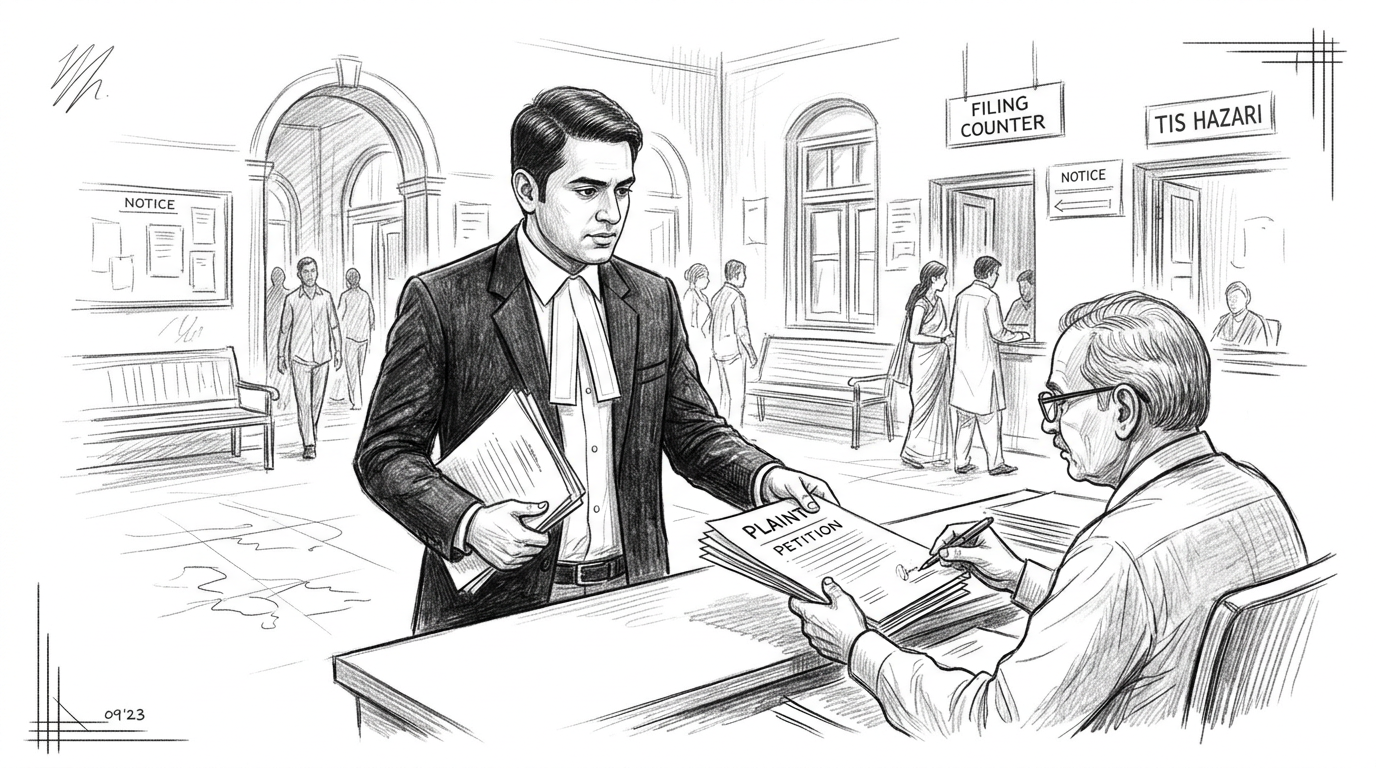
Delhi’s civil court system has five district courts – Tis Hazari, Rohini, Saket, Karkardooma, and Dwarka – plus the Delhi High Court. Knowing which forum handles your case is half the battle. File in the wrong court and your plaint gets returned, costing you months. A civil lawyer in Delhi who has practised across these courts knows the pecuniary limits, the territorial jurisdiction, and the procedural quirks of each bench.
The pecuniary limits matter more than most people realise. Delhi’s district courts have monetary jurisdiction thresholds – matters below a certain value must be filed at the district level, while higher-value claims go directly to the High Court. A civil lawyer in Delhi will file in the right court on the first attempt, saving you the time and embarrassment of a returned plaint.
Territorial jurisdiction is the other common mistake. A property dispute in Dwarka must be filed in the Dwarka court, not in Tis Hazari, regardless of which court is more convenient. A civil lawyer in Delhi who gets the jurisdiction wrong will have the plaint returned, and by the time the correct court accepts it, the limitation period may have expired.
The civil disputes we see most often
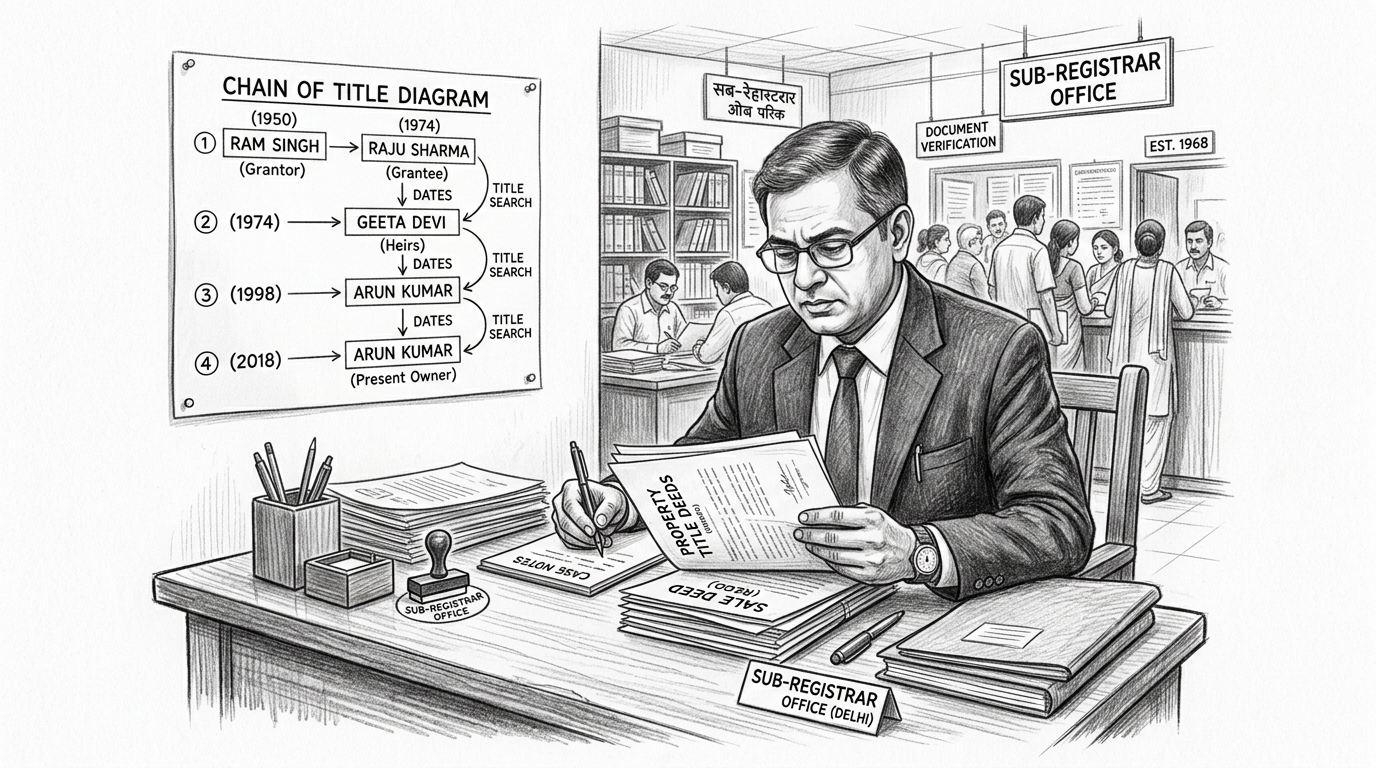
Property disputes dominate our civil practice in Delhi. Not because Delhi has more property disputes than other cities, but because Delhi properties carry complicated histories – unregistered gifts, oral family partitions, successive power of attorney transfers, and DDA allotments spanning three generations. A single plot might have changed hands through informal arrangements that never made it to the sub-registrar’s office. Reconstructing the chain of title from whatever documents exist is where a civil lawyer in Delhi earns their fee.
Contract and recovery matters form the second largest category. Businesses and individuals enter into agreements every day – supply contracts, service agreements, loan agreements, partnership deeds – and when one party defaults, the aggrieved party needs to enforce their rights through court. A civil lawyer in Delhi handling recovery matters will typically file under Order 37 CPC for summary judgment when the debt is undisputed, which can produce a decree in months rather than years.
Consumer disputes make up a growing portion of our civil practice. The Consumer Protection Act 2019 created a three-tier system designed to be faster and more accessible than regular civil courts. Delhi has district commissions in every district, and a civil lawyer in Delhi filing a consumer complaint can often get a decision within six months – compared to the multi-year timeline of a regular civil suit.
Injunctions and stay orders are another regular part of our practice. When someone is building on your land, selling your property, or about to leave the country with your assets, you need immediate protection. A civil lawyer in Delhi can apply for a temporary injunction under Order 39 CPC to maintain the status quo. The court applies a three-part test: is there a prima facie case, will the plaintiff suffer irreparable harm, does the balance of convenience favour the plaintiff. A civil lawyer in Delhi who can make a compelling case on all three points at the first hearing can get relief within days.
Before you file a suit
Most clients walk in wanting to file a suit immediately. A civil lawyer in Delhi will usually slow them down – not to discourage them, but to make sure the case is properly prepared. The first questions are always the same: Do you have the original documents. Is the other party still contactable. Have you sent a legal notice. Is the claim within the limitation period.
The Limitation Act is where many civil cases die quietly. A property dispute filed six months too late gets dismissed without anyone examining whether you were right. A civil lawyer in Delhi will check the dates before anything else – because a case filed on time with weaker evidence beats a case filed late with ironclad proof.
A legal notice is not just a formality – it creates a documented record of your position that the court will rely on later. A civil lawyer in Delhi will draft a notice that clearly states your claim, the relief you are seeking, and the consequences if the other party does not comply. Sending a well-drafted legal notice also shows the court you attempted to resolve the dispute before escalating, which is a factor courts consider when awarding costs.
What happens once a civil suit is filed
The plaint is drafted and filed in the court with jurisdiction. The court issues summons to the other side, who files a written statement. Then both sides exchange documents – this stage, called discovery and inspection, often takes longer than people expect. A civil lawyer in Delhi who pushes for early document exchange can prevent the other side from hiding key evidence until the last minute.
After pleadings close, the court frames the issues – the specific questions of fact and law that the trial will resolve. Then evidence is led: witnesses are examined, documents tendered, and cross-examinations happen. A civil lawyer in Delhi who has carefully drafted the plaint and framed the right issues at the pleading stage will find the evidence stage much smoother. Cases are won or lost in the pleadings – not in the final arguments.
Judgment is followed by the decree – the formal order that gives effect to the court’s decision. If the other party does not comply voluntarily, a civil lawyer in Delhi will file an execution application under Order 21 CPC, which allows the court to attach the judgment debtor’s property, bank accounts, or salary to enforce the decree.
Property disputes: why they are harder than they look
Delhi properties come with complicated histories. A single plot might have changed hands through unregistered gifts, oral family partitions, successive power of attorney transfers, and DDA allotments spanning three generations. A civil lawyer in Delhi handling a property matter is not just applying black-letter law – they are reconstructing history from whatever documents exist.
Title searches in Delhi require pulling records from the sub-registrar’s office, the DDA, the municipal corporation, and the patwari records. Missing documents are the norm, not the exception. A civil lawyer in Delhi who is comfortable working with incomplete records – who can piece together a chain of title from sale deeds, tax receipts, and old possession letters – is worth more than one who needs everything to be perfect before proceeding.
DDA properties carry additional complications: leasehold versus freehold titles, conversion requirements, eligibility restrictions, and the DDA’s own internal procedures. A civil lawyer in Delhi who has experience with DDA matters knows which applications to file and how long the DDA’s internal processing typically takes.
Injunctions and interim relief
Sometimes you cannot wait for the final judgment – by then the damage is done. If someone is building on your land, selling your property, or about to leave the country with your assets, you need immediate protection. That is where interim relief comes in.
Under Order 39 CPC, a civil lawyer in Delhi can apply for a temporary injunction to maintain the status quo. The court applies a three-part test: is there a prima facie case, will the plaintiff suffer irreparable harm, does the balance of convenience favour the plaintiff. A civil lawyer in Delhi who can make a compelling case on all three points at the first hearing can get relief within days.
Ex parte injunctions – granted without notice to the other side – are available in urgent cases. If the defendant is about to sell the disputed property to a third party, an ex parte injunction can freeze the transaction before the defendant even knows the suit has been filed. A civil lawyer in Delhi who can make a strong case for ex parte relief at the first hearing can prevent irreversible damage.
Consumer disputes
The Consumer Protection Act 2019 created a three-tier system – district commissions, state commissions, and the National Commission – designed to be faster than regular civil courts. Delhi has district commissions in every district. A civil lawyer in Delhi filing a consumer complaint avoids the lengthy procedures of a regular civil suit: no massive court fees, no mandatory advocate representation, and a statutory requirement for disposal within three months.
Consumer disputes typically involve defective products, deficient services, false advertising, or unfair contract terms. A civil lawyer in Delhi handling these matters will frame the complaint to maximise quick disposal – clear facts, specific relief sought, and well-organised supporting documents. Consumer commissions in Delhi have become more proactive, and a civil lawyer in Delhi who presents a well-drafted complaint can often get a decision within six months.
Recovery suits and money claims
When someone owes you money and will not pay, a civil lawyer in Delhi has several options. If the debt is based on a written agreement and the amount is liquidated, Order 37 CPC allows for summary judgment – the court can pass a decree without a full trial if the defendant has no credible defence. This is the fastest track for money recovery in Delhi.
If the debt is disputed or the agreement is oral, a regular money suit under Order 2 CPC is the appropriate track. The procedure is longer, but a civil lawyer in Delhi who builds a strong documentary case – bank transfer records, email confirmations, witness affidavits – can often get a decree within two to three years. The key is having the right evidence at the first hearing.
Writ petitions: challenging government action
When a government order or administrative action violates your rights, a civil lawyer in Delhi can file a writ petition under Article 226 of the Constitution before the Delhi High Court. Writs allow the High Court to quash illegal orders, direct public authorities to perform their duties, and protect fundamental rights without waiting for a regular civil suit.
The five types of writs – habeas corpus, mandamus, prohibition, certiorari, and quo warranto – each serve a different purpose. A civil lawyer in Delhi will identify which writ is appropriate for your situation. If a government department has refused to process your application without reason, a civil lawyer in Delhi would file for mandamus. If the authority has passed an order that is legally flawed, a civil lawyer in Delhi would file for certiorari.
Partition of ancestral property
When co-owners of ancestral property cannot agree on division, a civil lawyer in Delhi files a partition suit under the Partition Act 1893 and the Code of Civil Procedure. The court first determines the shares of each co-owner, then orders physical division if feasible, or orders sale and division of proceeds if the property cannot be divided without destroying its value.
Delhi properties are often in areas where physical division is impossible – a joint house on a single plot, a commercial building with multiple floors. In these cases, the court will typically order a court commissioner to evaluate the property. A civil lawyer in Delhi who presents evidence of market value, rental income, and each co-owner’s contribution will get a more favourable division order.
How we work
We start every civil matter with a consultation. We read your documents, ask the hard questions, and tell you whether the case is worth pursuing – honestly. If it is, we propose a scope of work with a clear fee estimate and a realistic timeline. We do not pad hours or create unnecessary work.
For straightforward matters like recovery suits or consumer complaints, we agree the scope upfront. For longer-running disputes like property litigation, we work on a phased basis, with clear checkpoints at each stage of the proceeding
Evidence in civil suits: documents, witnesses, and expert opinion
Civil litigation in Delhi turns heavily on documentary evidence. Property disputes hinge on title deeds, sale agreements, mutation records, and revenue documents. Recovery suits depend on invoices, ledgers, and correspondence establishing the debt. A civil lawyer in Delhi builds the case around what can actually be proved on paper, because oral testimony alone rarely carries a civil matter to a favourable judgment.
Witness examination in civil trials follows a structured format: examination-in-chief, cross-examination, and re-examination. Unlike criminal trials, the standard of proof is preponderance of probability rather than proof beyond reasonable doubt, which changes how a civil lawyer in Delhi frames the evidence. The goal is to make the client’s version more probable than the opposing version, not to eliminate every doubt.
Expert evidence becomes relevant in property valuation disputes, construction defect claims, and cases involving forged signatures or documents. A civil lawyer in Delhi engaging a handwriting expert or a property valuer needs to ensure the expert’s methodology will withstand cross-examination, since a poorly prepared expert report can undermine an otherwise strong case.
Alternative dispute resolution: when litigation is not the best route
Not every civil dispute needs to go through the full trial process. Mediation and arbitration offer faster, more private alternatives, and Delhi courts increasingly refer suitable disputes to mediation under Section 89 of the Civil Procedure Code before proceeding to trial. A civil lawyer in Delhi will assess whether a dispute is genuinely suited to mediation, typically cases where an ongoing commercial or family relationship is worth preserving, versus cases where a clear legal right needs to be adjudicated and enforced.
Arbitration clauses in commercial contracts are common, and when a dispute arises under a contract containing such a clause, the matter usually cannot proceed directly to civil court. A civil lawyer in Delhi will first check the contract for an arbitration clause before drafting a plaint, since filing in the wrong forum wastes time and can affect limitation. For disputes already governed by an arbitration agreement, we assist with appointing arbitrators, drafting statements of claim, and where necessary, challenging or enforcing arbitral awards under the Arbitration and Conciliation Act.
Settlement negotiation remains one of the most underused tools in civil practice. A civil lawyer in Delhi who understands the actual strength and weaknesses of a case, not just the client’s version of events, can negotiate from a position of realistic assessment rather than false confidence, which often produces a better outcome for the client than a prolonged trial with uncertain results.
Limitation periods: why timing matters more than clients expect
Civil claims in India are governed by the Limitation Act, 1963, and every category of civil claim carries its own limitation period, after which the right to sue is extinguished regardless of how strong the underlying case is. Recovery suits generally must be filed within three years of the debt becoming due. Suits for possession of immovable property typically carry a twelve-year limitation from the date of dispossession. A civil lawyer in Delhi assessing a new matter checks the limitation clock before anything else, because a factually strong case filed after the limitation period has expired will be dismissed on that ground alone.
Limitation can be a source of both risk and opportunity. Clients sometimes approach a civil lawyer in Delhi believing their claim is time-barred when, in fact, specific provisions of the Limitation Act extend the period, such as acknowledgment of debt in writing, part payment, or the defendant being outside India for a portion of the period. Conversely, clients sometimes wait too long assuming there is no urgency, not realising the clock has been running since the cause of action first arose.
For property disputes specifically, adverse possession claims interact closely with limitation law. A person in continuous, hostile possession of property for the statutory period can potentially acquire ownership rights, which is why a civil lawyer in Delhi advising a property owner recommends periodic assertion of ownership, such as issuing notices or filing suits, to prevent an adverse possession claim from maturing against them.
Related practice areas
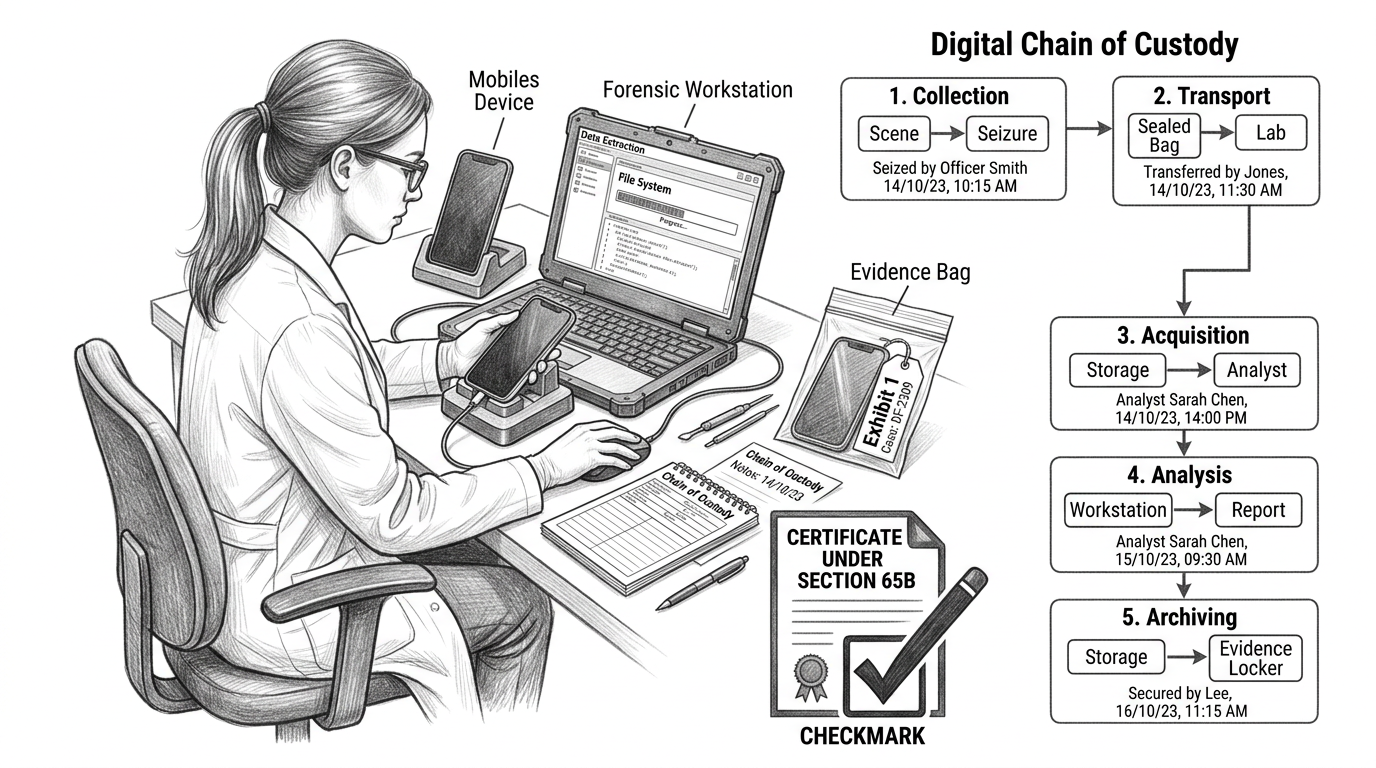
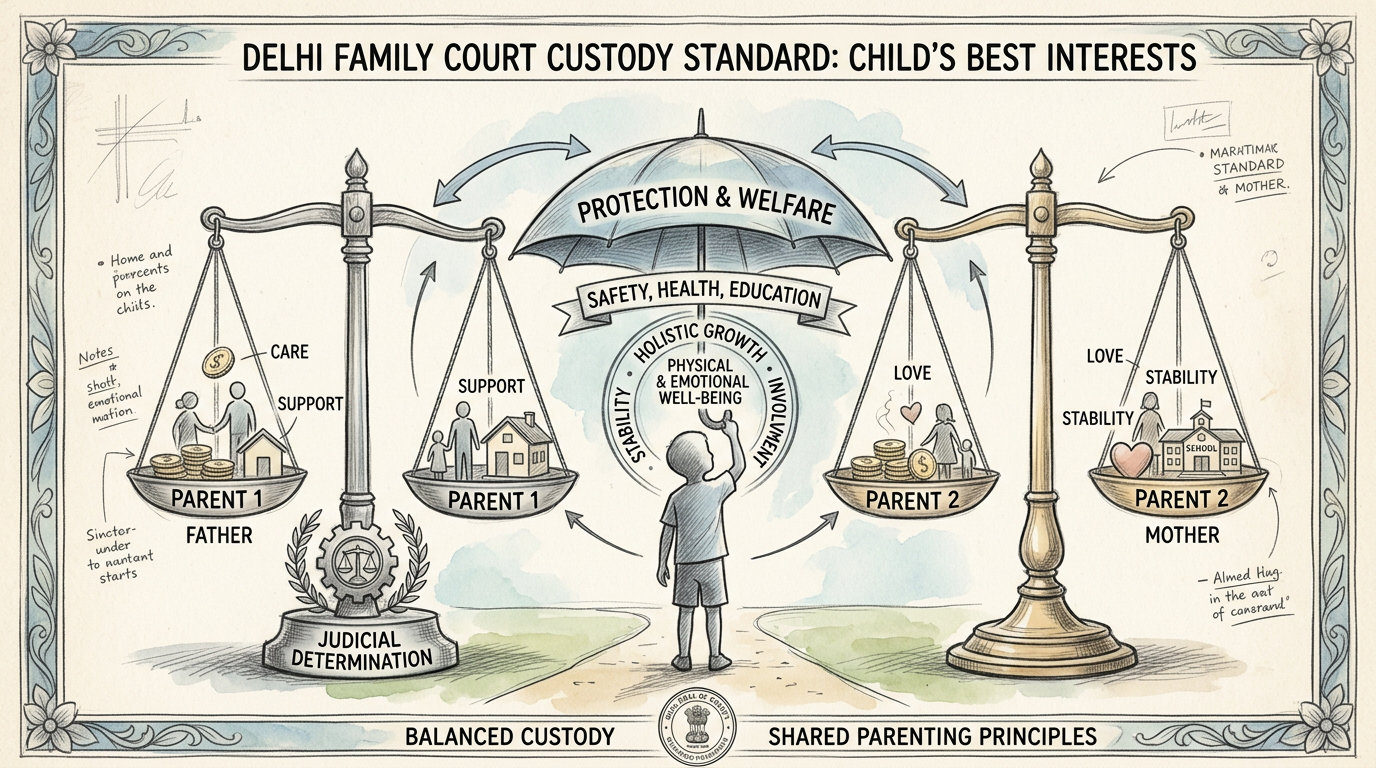
Civil disputes sometimes spill into criminal territory. If your property dispute involves forged documents, our criminal lawyer in Delhi can advise on the criminal side. If the dispute involves company shares or corporate assets, our corporate lawyer in Delhi handles that dimension. For matrimonial property matters, our divorce lawyer in Delhi works with our civil team on property partition. Cases involving online fraud or digital evidence in a commercial dispute may also benefit from our cyber crime lawyer in Delhi.
Related Practice Areas
Explore our full range of legal services across Delhi NCR.

Criminal Lawyer Gurgaon
Defence, bail & trial representation
Civil Lawyer Delhi
Property, contracts & disputes

Corporate Lawyer Delhi
M&A, compliance & FDI advisory
Cyber Crime Lawyer Delhi
IT Act, data privacy & digital fraud
Divorce Lawyer Delhi
Family law, custody & maintenance
Civil Lawyer Gurgaon
Property disputes & civil litigation

Civil Lawyer Noida
Contract disputes & enforcement

Corporate Lawyer Gurgaon
NCLT, insolvency & company law

Corporate Lawyer Noida
Startup advisory & funding
Cyber Crime Lawyer Gurgaon
DPDP Act & data protection

Divorce Lawyer Gurgaon
Mutual consent & family matters