Employment Lawyer Delhi | Labour Disputes, Workplace Policies, Employee Rights | Bijlani & Co
Employment Law in Delhi: A Complete Guide to Labour Rights and Workplace Disputes
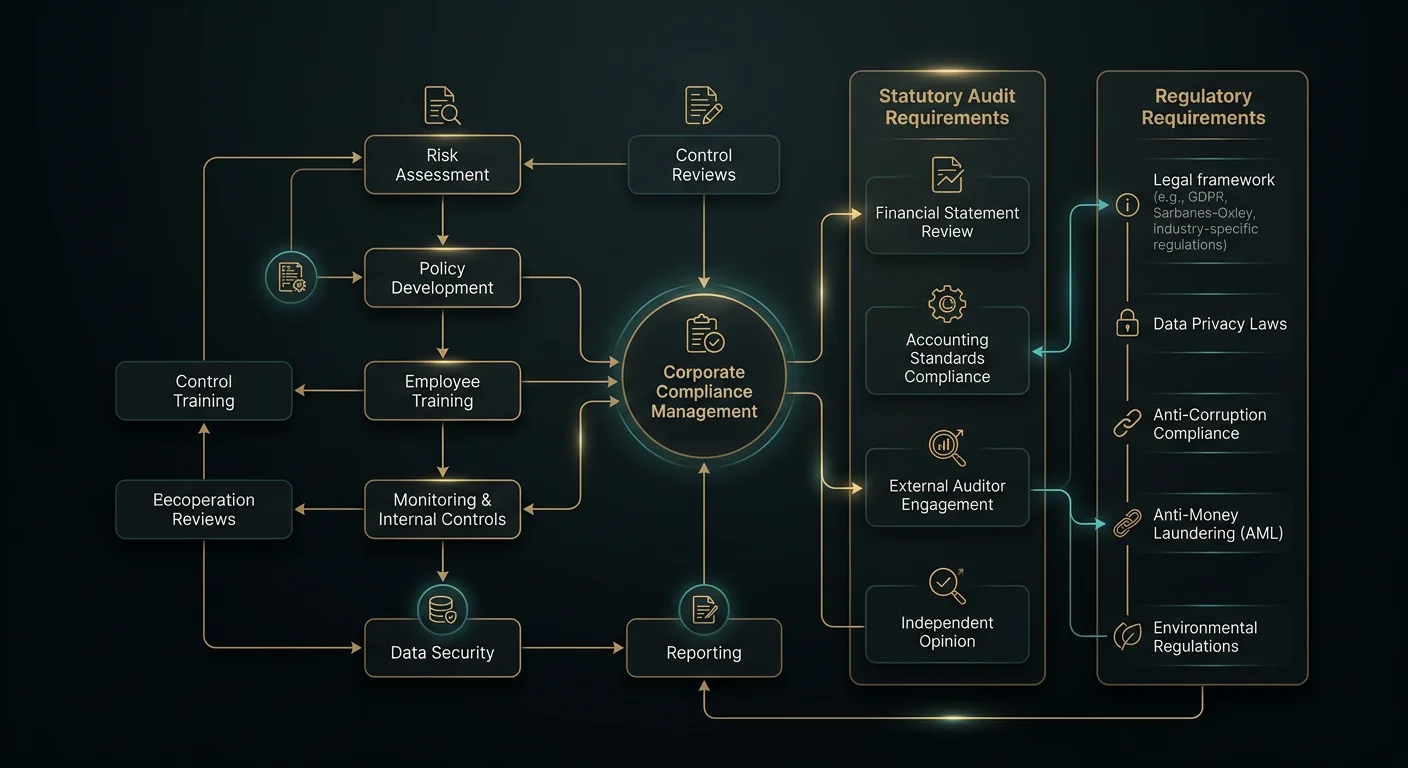
Employment law in India covers the relationship between employers and employees from recruitment through separation. The Industrial Relations Code 2020, the Code on Wages 2019, the Social Security Code 2020, and the Occupational Safety, Health and Working Conditions Code 2020 have consolidated earlier labour laws into four codes. In Delhi, these are supplemented by the Delhi Shops and Establishments Act 1954 and the Payment of Gratuity Act 1972.
For employers, compliance with labour laws is not optional — non-compliance attracts penalties, and in some cases, criminal liability for company directors. For employees, understanding your rights under the labour codes is the first step when something goes wrong at work.
Workplace Rights Under Indian Labour Law
Key employee rights in Delhi include: minimum wages as notified by the Delhi government, payment of wages within the stipulated time, overtime compensation for work beyond 8 hours a day, provident fund contributions under the EPF Act, gratuity after 5 years of continuous service, maternity benefit for female employees, and protection against unfair termination.
The Industrial Relations Code 2020 introduced changes to the retrenchment process. For establishments with 300 or more workers, prior government permission is required before retrenchment. For smaller establishments, 30 days notice or pay in lieu is required. The standing orders process under the Code requires employers to define conditions of service formally.
Wrongful Termination and Unfair Labour Practices
Wrongful termination occurs when an employee is dismissed without following the procedure established by law. Under the Industrial Relations Code, termination requires: one month notice or pay in lieu, payment of retrenchment compensation (15 days wages for every completed year of service), and in some cases, prior government permission.

Unfair labour practices under the IR Code include: discriminating against employees for joining a trade union, terminating employment for participating in a legal strike, threatening employees with violence or intimidation, and refusing to bargain in good faith with recognized trade unions. If you believe you have been wrongfully terminated, an employment lawyer can file a case before the labour court or industrial tribunal.
Sexual Harassment at the Workplace
The Sexual Harassment of Women at Workplace (Prevention, Prohibition and Redressal) Act 2013 requires all employers with 10 or more employees to constitute an Internal Committee. The Committee must include at least one external member with experience in women’s rights. Complaints must be disposed of within 90 days.
Employers who fail to constitute the Committee or who fail to act on complaints face penalties up to INR 50,000 for the first offence and higher penalties for subsequent offences. The employer’s failure to prevent harassment can also attract vicarious liability. Women who experience harassment can file complaints with the Committee, and if dissatisfied with the outcome, can appeal to the labour court.
Wage and Overtime Disputes
The Code on Wages 2019 mandates minimum wages for all workers, including those in the unorganized sector. Overtime must be paid at twice the ordinary rate of wages for work beyond 8 hours a day or 48 hours a week. The maximum working hours are 48 per week.
Common wage disputes in Delhi include: non-payment of overtime, deduction of wages without written authorization, delayed salary payments, non-payment of gratuity, and denial of leave encashment. Employees can file complaints with the labour commissioner or before the labour court. The Code on Wages provides for inspectors who can investigate and recover dues.
Non-Compete and Confidentiality Agreements
Non-compete clauses in employment agreements restrict an employee from working for a competitor after leaving the employer. Indian courts generally view non-compete clauses as restrictive of the right to livelihood and therefore void under Section 27 of the Indian Contract Act. However, confidentiality clauses and non-solicitation clauses (restricting the poaching of clients or colleagues) are generally enforceable if reasonable in scope.
When reviewing an employment agreement, an employment lawyer will assess whether the restrictive covenant is reasonable in duration, geography, and scope. A clause that extends beyond 6 months or covers an unreasonably wide geography is likely to be struck down by Delhi courts.
Workplace Investigations and Disciplinary Proceedings
When an employee is accused of misconduct, the employer must follow a fair procedure: issuing a charge sheet, giving the employee an opportunity to respond, conducting an inquiry, and passing a reasoned order. Domestic inquiries must follow principles of natural justice. Failure to follow procedure renders the dismissal vulnerable to challenge before the labour court.
Employees facing disciplinary proceedings should engage an employment lawyer at the earliest stage. The lawyer can review the charge sheet, prepare the defence, cross-examine witnesses during the inquiry, and challenge any adverse order before the labour court or industrial tribunal.
Common Questions
Can an employer fire me without notice?
No. Under the Industrial Relations Code 2020, termination requires one month notice or pay in lieu. For workmen with more than one year of service, retrenchment compensation of 15 days wages per completed year is also required. Terminations without notice or compensation are illegal.
What is the maximum working hours per week in Delhi?
48 hours per week under the Industrial Relations Code 2020. Work beyond 48 hours per week qualifies as overtime and must be compensated at twice the ordinary rate of wages. The maximum overtime allowed is 125 hours per quarter for certain categories of workers.
Is a non-compete clause enforceable in India?
Generally no. Indian courts treat non-compete clauses as void under Section 27 of the Contract Act because they restrict the right to livelihood. However, confidentiality clauses and non-solicitation clauses are enforceable if reasonable in scope and duration.
What should I do if my employer is not paying my salary?
File a complaint with the Delhi Labour Commissioner or the labour court under the Payment of Wages Act. You can also approach the labour inspector for the jurisdiction where you work. Interest and penalties apply for delayed salary payments under the Code on Wages.
Related Practice Areas
- Civil Law — contract disputes, recovery of dues, injunctions
- Dispute Resolution — mediation and arbitration for workplace settlements
- Criminal Defence Delhi — white-collar crime, regulatory investigations
Employment law matters require prompt action
Bijlani & Co advises employees and employers on workplace disputes, termination, wage claims, and compliance across Delhi NCR. Contact us at +91-085958 09471 or write@bijlani.in.
Need a lawyer in Delhi? Consult our advocate in Delhi for comprehensive legal representation. We also specialise in Employment | Labour Dispute matters.