Cyber Crime in Delhi: A Complete Guide to the IT Act and Digital Offences

Cyber crime in Delhi has grown significantly as more financial and personal activity moves online. The Information Technology Act 2000, updated by the 2008 amendment, defines most digital offences and sets out penalties. The Bharatiya Nyaya Sanhita 2023 also covers certain online frauds and identity thefts. If you have been accused of a cyber offence, or if you are a victim of online fraud, understanding the legal framework in Delhi is the first step.
Cyber law intersects with criminal law, evidence law, and sometimes data protection. A cyber lawyer in Delhi needs to understand not just the IT Act but also how digital evidence is collected, preserved, and challenged in court.
Common Cyber Crimes Under the IT Act
The most frequently encountered offences under Section 43 of the IT Act include unauthorized access to computer systems, downloading or copying data without permission, introducing computer contaminants or viruses, damaging computer systems or networks, disrupting access by authorised users, and stealing or misusing identity information or passwords.
Section 66 covers computer-related offences: hacking, identity theft, cheating using computer resources, and privacy violations. Section 66A, which dealt with sending offensive messages, was struck down by the Supreme Court in 2015 but certain provisions on defamation and privacy survive under the BNS. Section 66B deals with dishonestly receiving stolen computer resources. Section 66C covers identity theft specifically. Section 66D addresses cheating by personation using computer resources.
What to Do If You Are Accused of a Cyber Crime
If you receive a notice from the Delhi police cyber cell or the CBI cyber crime unit, do not ignore it. These notices are the first step in a process that can lead to arrest. The first thing to do is contact a cyber lawyer in Delhi who has experience with IT Act cases.

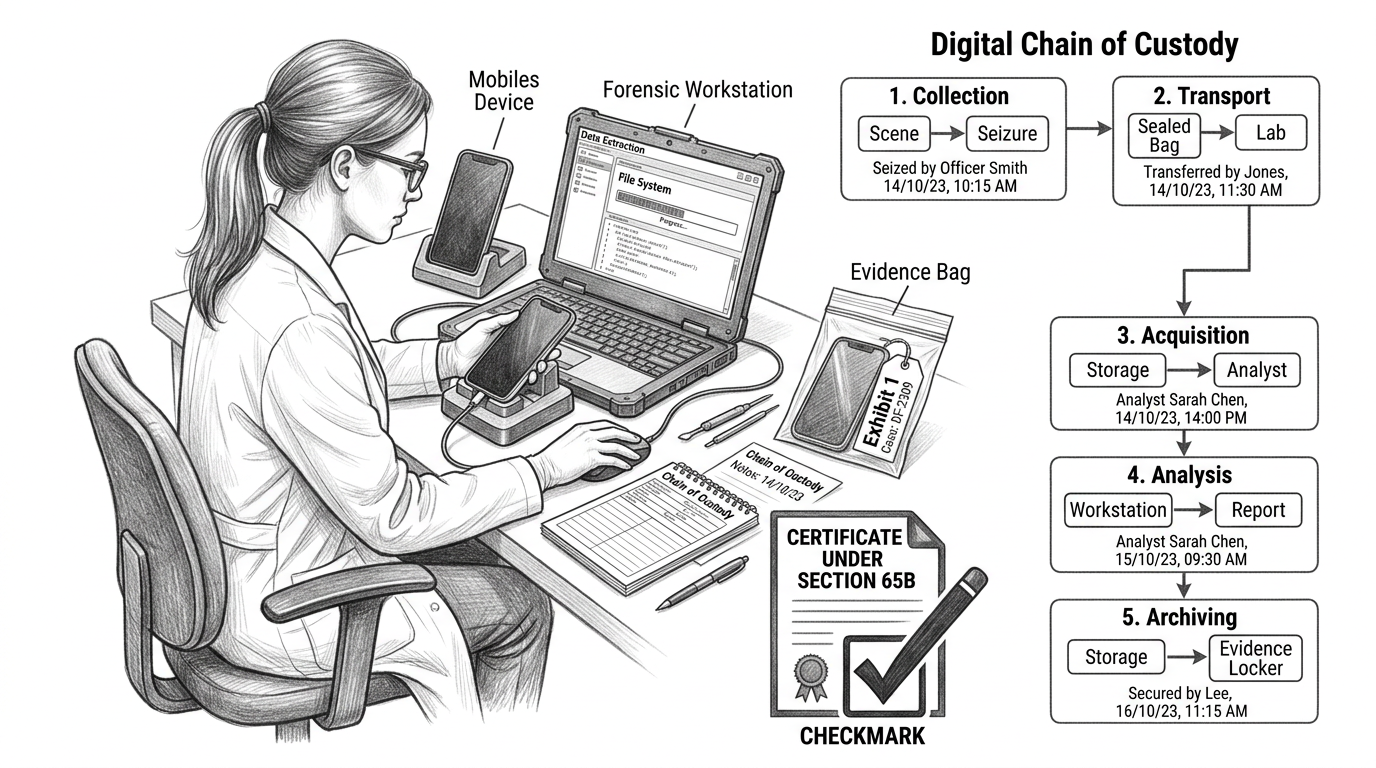
Your lawyer will review the allegations, examine the digital evidence the prosecution proposes to rely on, and check whether the investigation followed proper procedure. The most common defence in IT Act cases is that the prosecution cannot prove you were the person who accessed the system or sent the communication. Digital evidence requires a Section 65B certificate to be admissible, and many prosecutions fail on this technical requirement alone.
Digital Evidence and the Section 65B Certificate
Section 65B of the Evidence Act 1872 makes electronic evidence admissible only if accompanied by a certificate confirming that the computer was regularly used, was operating properly, and that the data was not tampered with. In practice, many cyber crime prosecutions in Delhi are weakened because the investigating officer failed to obtain this certificate at the time of seizure.
Your cyber lawyer will scrutinize the certificate, examine chain of custody records, and challenge any evidence that does not meet the Section 65B requirements. This is a powerful defence tool because digital evidence often forms the backbone of IT Act prosecutions.
Bail in Cyber Crime Cases
Bail in IT Act cases depends on the severity of the alleged offence. Under Section 66C (identity theft) and Section 66D (cheating by personation), the offence is cognisable and non-bailable in some circumstances. Section 43 offences are generally bailable. The court considers the quantum of loss, the sophistication of the alleged fraud, whether you have a prior record, and whether you are likely to tamper with evidence.
If the alleged offence involves a large sum of money or affects multiple victims, the court may deny bail. If the evidence is primarily digital and weak on the Section 65B certificate, bail is more likely. Applying for anticipatory bail before arrest is the preferred strategy when you learn that a cyber crime FIR has been registered against you.
Online Fraud and Identity Theft
Online fraud cases in Delhi typically involve phishing, fake e-commerce websites, fraudulent investment schemes, and impersonation through social media or messaging platforms. These fall under Section 66D of the IT Act and Section 420 IPC. The investigation involves tracing IP addresses, seizing devices, and analyzing transaction records.
Identity theft under Section 66C involves using another person’s identity information fraudulently. This can include Aadhaar misuse, bank account takeover, and SIM swap fraud. Penalties include imprisonment up to 3 years and fines up to INR 1 lakh.
Defamation and Social Media Offences
Posting defamatory content on social media platforms can attract both civil and criminal liability. Criminal defamation survives under Section 356 of the BNS (previously Section 500 IPC). Civil defamation allows the aggrieved person to claim damages. Cyber stalking under Section 66D and 67 of the IT Act carries penalties of imprisonment and fines.
The defence to social media offences typically involves proving that the content is true, made in good faith, or constitutes fair comment on a matter of public interest. A cyber lawyer can also challenge jurisdiction — not every social media post made from outside Delhi falls within Delhi court jurisdiction.
Data Protection and the DPDP Act 2023
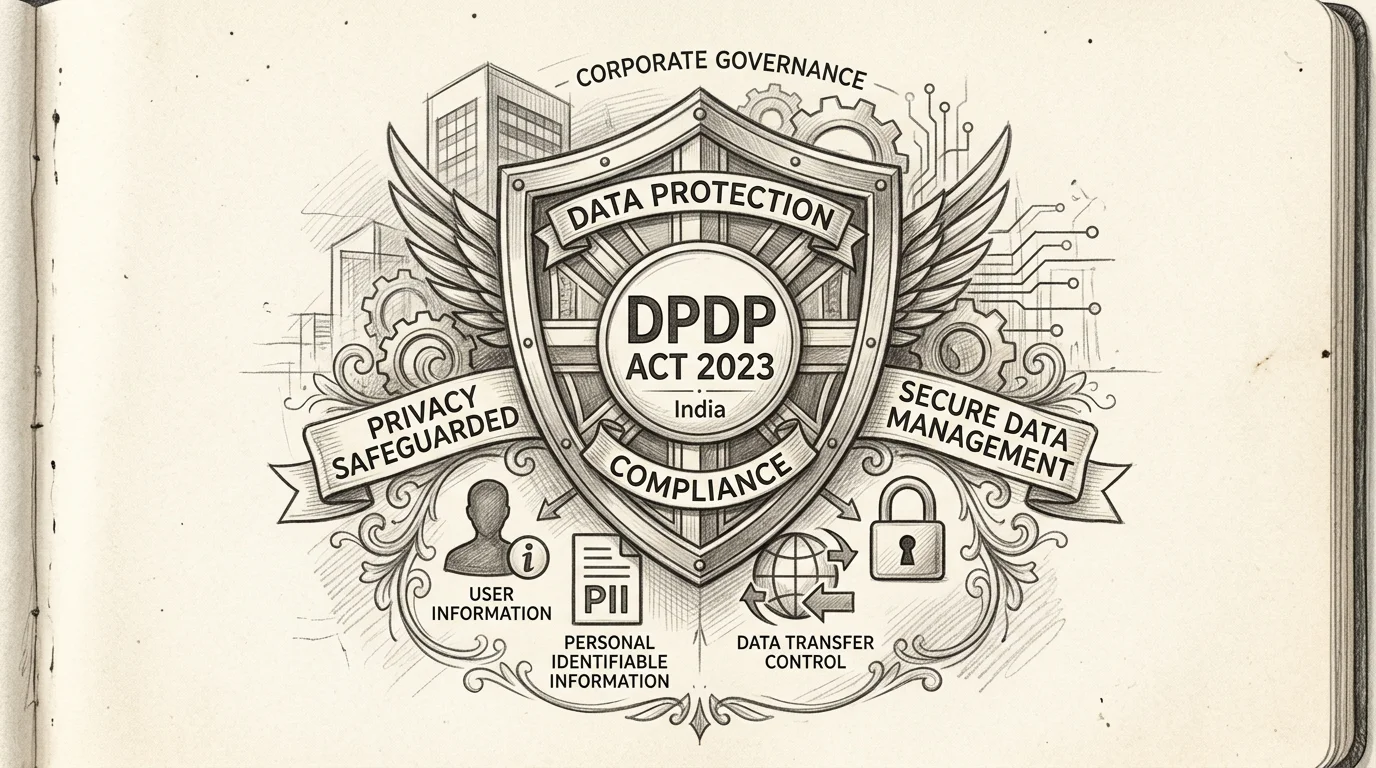
The Digital Personal Data Protection Act 2023 introduces new obligations for handling personal data. Violations can attract penalties of up to INR 250 crore. While the DPDP Act is primarily civil in nature, certain data breaches involving fraudulent access can also trigger IT Act provisions. If you are a business facing a data protection complaint or an individual whose data has been compromised, legal advice on both the DPDP Act and IT Act is important.
Common Questions
What is Section 65B of the Evidence Act?
Section 65B makes electronic evidence admissible only with a certificate confirming the computer was regularly used, was operating properly, and data was not tampered with. Without this certificate, electronic evidence is generally not admissible.
Is identity theft a bailable offence?
Identity theft under Section 66C of the IT Act is generally bailable, but the court considers the amount involved, the sophistication of the fraud, and whether the accused is likely to tamper with evidence. Large-scale identity theft involving financial institutions may attract non-bailable status.
Can WhatsApp messages be used as evidence in court?
WhatsApp messages are admissible as electronic evidence under Section 65B if accompanied by the required certificate. The messages must be sourced from the original device, and the certificate must state that the device was in the possession of the person producing the evidence. Without proper certification, WhatsApp messages are difficult to rely on.
What should I do if someone files a false cyber crime complaint against me?
File a quashing petition under Section 482 CrPC if the FIR is baseless. Simultaneously, gather evidence of your innocence — alibi records, device logs, witness statements. A cyber lawyer can also file for anticipatory bail if arrest is imminent and challenge the digital evidence at the investigation stage.
Related Practice Areas
- Cyber Law — IT Act defence, data protection, digital evidence
- Criminal Litigation — FIR quashing, bail, trial defence
- Criminal Defence Delhi — bail, FIR, trial across Delhi courts
Accused of a cyber crime in Delhi?
Bijlani & Co has represented clients in IT Act cases before Delhi courts. If you have received a cyber crime notice or need defence against digital offence allegations, contact us at +91-96549-26593 or write@bijlani.in.
Need a lawyer in Delhi? Consult our advocate in Delhi for comprehensive legal representation. We also specialise in Cyber Crime | FIR, IT Act & matters.
Related Practice Areas
Explore our full range of legal services across Delhi NCR.