Constitutional Lawyer Delhi | Writ Petitions, PIL, Fundamental Rights | Bijlani & Co
Constitutional Law in Delhi: A Complete Guide to Writ Petitions and PIL

Constitutional law in India is the foundation on which all other laws rest. The Constitution of India guarantees fundamental rights under Part III, directive principles under Part IV, and establishes the framework for governance. When government action or legislation violates constitutional provisions, the remedy lies in the constitutional courts — the Supreme Court and the High Courts. In Delhi, the Delhi High Court is the primary forum for constitutional matters.
Constitutional lawyers in Delhi handle writ petitions, public interest litigation, challenges to legislation and government orders, and disputes involving fundamental rights. If you believe your rights under the Constitution have been violated, or if you want to challenge a government action that affects the public at large, understanding the constitutional remedy process is essential.
Writ Petitions Under Article 226
Article 226 of the Constitution empowers the High Courts to issue writs for the enforcement of fundamental rights and for any other purpose. The five types of writs are: habeas corpus (release from unlawful detention), mandamus (commanding a public authority to perform a duty), prohibition (preventing a lower court from exceeding jurisdiction), certiorari (quashing an order of a lower court or tribunal), and quo warranto (challenging a person’s right to hold a public office).
In Delhi, writ petitions are filed before the Delhi High Court. The petition must state the facts, the constitutional provision violated, and the relief sought. The court can issue interim orders while the petition is pending. If the court finds that a fundamental right has been violated, it can issue the appropriate writ with directions for implementation.
Habeas Corpus
Habeas corpus is the most fundamental writ — it commands the person holding someone in custody to produce the detainee before the court and justify the detention. If the detention is found to be unlawful, the court orders immediate release.
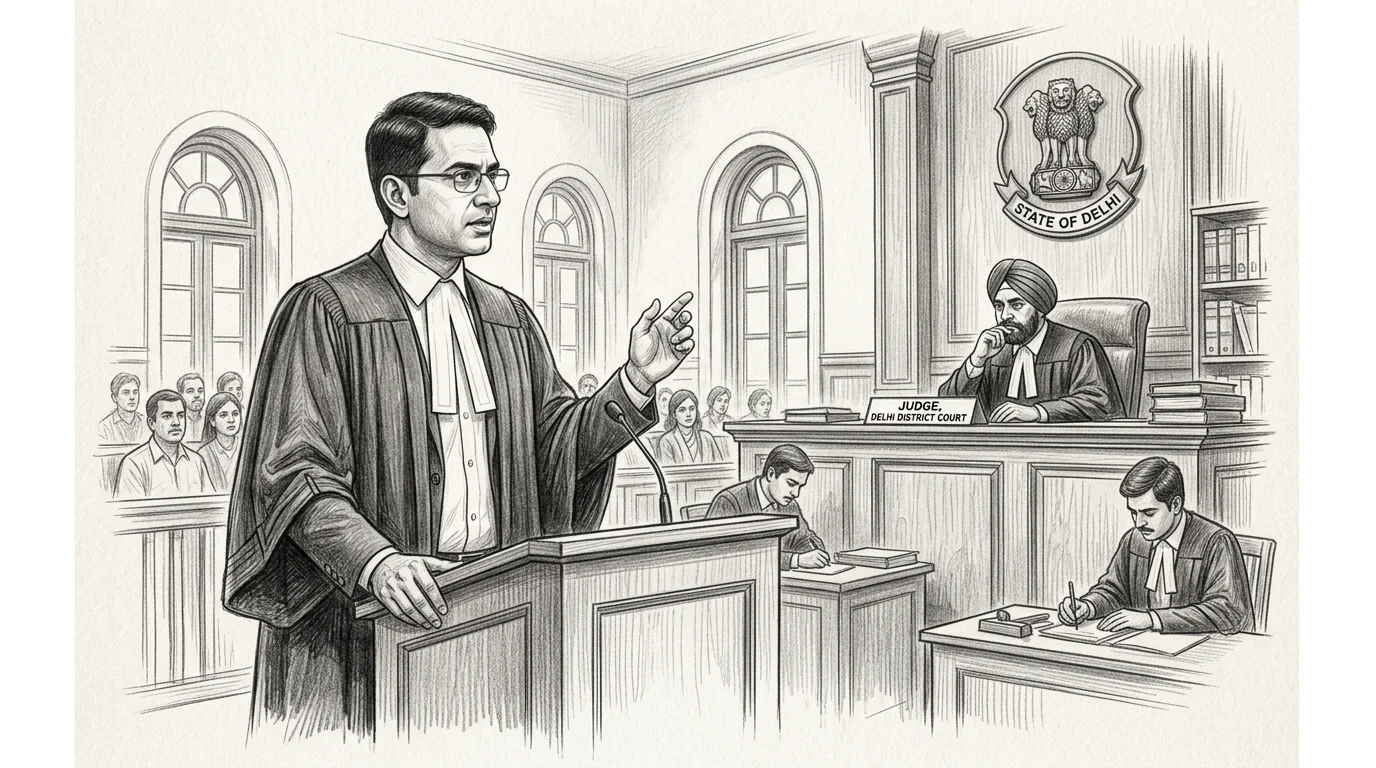
Habeas corpus is available even when regular bail is not. If you or a family member has been detained without following proper procedure, a constitutional lawyer can file a habeas corpus petition before the Delhi High Court. The court can also examine whether the detention violates other constitutional protections, such as the right to counsel and the right against self-incrimination.
Public Interest Litigation
Public interest litigation allows any person to file a petition on behalf of a group or the public at large, even if they are not directly affected. PILs in Delhi have addressed environmental pollution, police reforms, prison conditions, healthcare access, education rights, and government accountability. The Supreme Court and Delhi High Court have liberalized standing rules for PILs, allowing social workers, journalists, and concerned citizens to file petitions.
PILs are decided on their merits without the strict procedural requirements of ordinary civil litigation. The court can appoint commissions to investigate, direct government agencies to take specific action, and monitor compliance with its orders. PILs have been instrumental in driving policy change in India, from the Delhi CNG conversion to the ban on firecrackers during Diwali.
Fundamental Rights Enforcement
Part III of the Constitution guarantees: equality before law (Article 14), prohibition of discrimination (Article 15), equality of opportunity (Article 16), protection of life and personal liberty (Article 21), protection against arrest and detention (Article 22), prohibition of traffic in human beings (Article 23), prohibition of employment of children (Article 24), freedom of religion (Articles 25-28), cultural and educational rights (Articles 29-30), and the right to constitutional remedies (Article 32).
Article 21, which protects life and personal liberty, has been expansively interpreted by the Supreme Court and Delhi High Court to include the right to health, right to education, right to clean environment, right to privacy, right to livelihood, right to shelter, and right to speedy trial. Constitutional lawyers use these expanded interpretations to challenge government actions that affect quality of life.
Judicial Review of Legislation
Under the basic structure doctrine, the Supreme Court can strike down constitutional amendments that violate the Constitution’s basic structure. Under Article 13, any law inconsistent with fundamental rights is void. The Delhi High Court exercises similar powers for laws applicable in Delhi.
Common grounds for challenging legislation include: violation of the right to equality, violation of freedom of speech and expression, violation of the right to life and liberty, excessive delegation of legislative power, and lack of legislative competence (the state legislature or Parliament did not have authority to enact the law). Constitutional lawyers play a critical role in testing the validity of new laws and government actions.
Common Questions
What is the time limit for filing a writ petition?
There is no fixed limitation period for writ petitions under Article 226, but the Delhi High Court expects petitions to be filed without unreasonable delay. If there is a long delay, the petitioner must explain the reason. Some specific rights, like habeas corpus, must be exercised promptly.
Can a private person file a PIL?
Yes. Any person can file a PIL on behalf of a group or the public. The petitioner does not need to be directly affected. Courts have allowed PILs filed by journalists, social workers, concerned citizens, and even students. The key requirement is that the petition raises a genuine public issue.
What is the basic structure doctrine?
The basic structure doctrine holds that Parliament cannot amend the Constitution in a way that destroys its basic structure — identified as including supremacy of the Constitution, republican and democratic form of government, secularism, separation of powers, and fundamental rights. This doctrine was established in the Kesavananda Bharati case (1973).
Can I challenge a government order in the High Court?
Yes. Government orders that violate your fundamental rights or exceed the authority of the issuing body can be challenged through a writ petition. The Delhi High Court can quash the order, direct the government to act in a particular way, or award compensation for rights violations.
Related Practice Areas
- Criminal Litigation — habeas corpus, FIR quashing, police reform
- Civil Law — property rights, government accountability
- Environmental Law — PILs for environmental protection
Constitutional rights require constitutional remedies
Bijlani & Co handles writ petitions, PILs, and fundamental rights enforcement before the Delhi High Court. Contact us at +91-085958 09471 or write@bijlani.in.
Need a lawyer in Delhi? Consult our advocate in Delhi for comprehensive legal representation. We also specialise in Constitutional | Writ Petit matters.