
Cheque Bounce Lawyer in Ghaziabad: Section 138 NI Act Cases and Defence
Cheque bounce cases under Section 138 of the Negotiable Instruments Act, 1881 are among the most common civil-criminal cases in Ghaziabad courts. When a cheque is dishonoured by the bank for insufficient funds, stop payment, or account closure, the payee has a statutory remedy: send a legal notice within 15 days, wait for the drawer to make payment within 15 days of the notice, and if payment is not made, file a criminal complaint before the Magistrate Court. The drawer can face imprisonment of up to two years, a fine of up to twice the cheque amount, or both. A cheque bounce lawyer in Ghaziabad can help both complainants and accused persons navigate this process effectively.
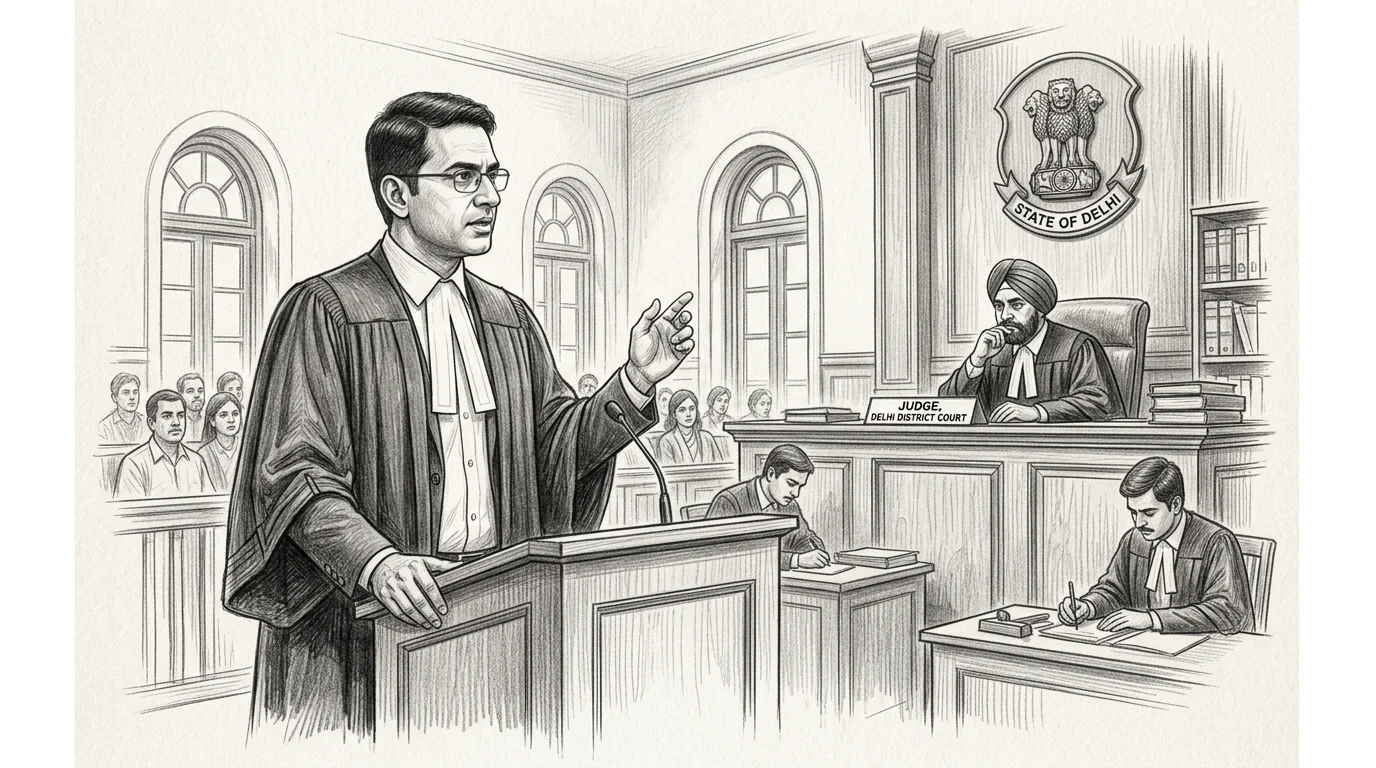
Bijlani & Co. handles cheque bounce cases on both sides. We represent complainants who need to file Section 138 complaints and recover their money through the criminal process. We also represent accused persons who have been falsely implicated or who have genuine defences — for example, the cheque was issued as security, the debt was time-barred, or the stop payment was authorised by the bank. Our cheque bounce lawyers in Ghaziabad appear regularly before the Magistrate Courts and have successfully resolved hundreds of cheque dishonour cases across Delhi NCR.

What Constitutes Cheque Bounce Under Section 138 NI Act
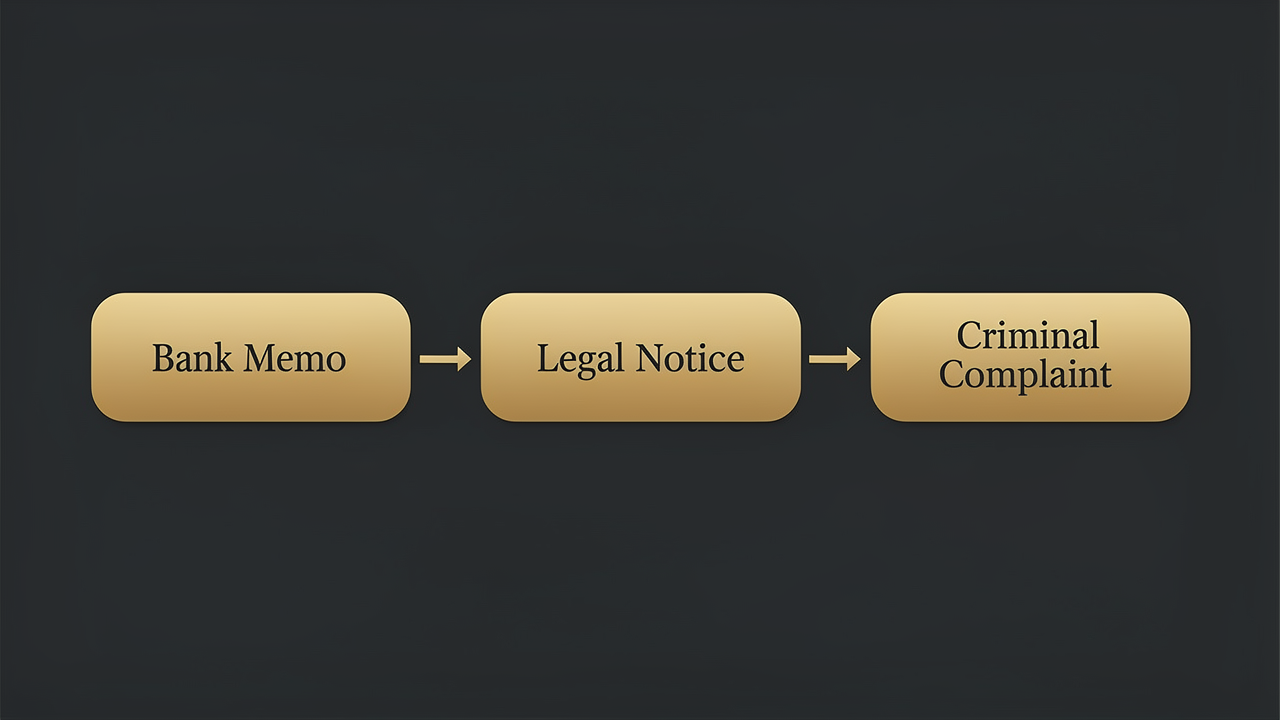
Section 138 NI Act applies when a cheque is drawn by a person on an account maintained by them, the cheque is presented to the bank within its validity period of 6 months from the date of the cheque, the bank returns the cheque unpaid due to insufficient funds, stop payment instructions from the drawer, or account closure, and the payee sends a legal notice demanding payment within 15 days of receiving the return memo from the bank. The offence under Section 138 is complete only if the drawer fails to make payment within 15 days of receiving the legal notice. This 15-day window is a critical procedural safeguard — our cheque bounce lawyers in Ghaziabad advise drawers to use this window to avoid criminal liability by making immediate payment upon receiving the notice.
The Legal Notice Requirement
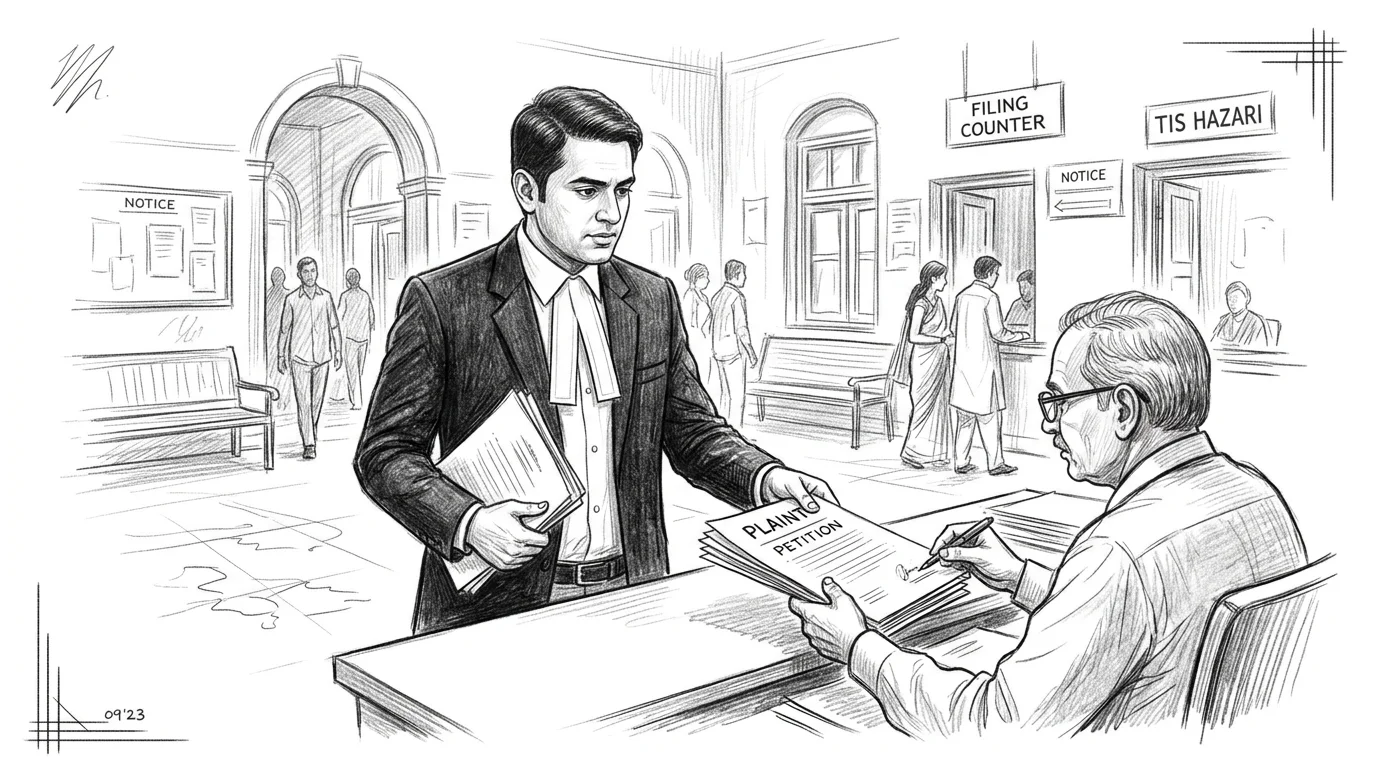
The legal notice is the most critical document in a cheque bounce case. Under Section 138(1) NI Act, the payee must send a written notice to the drawer within 15 days of receiving the bank’s return memo. The notice must demand payment of the cheque amount, state that the cheque was dishonoured, specify the reason for dishonour as returned by the bank, and warn that legal proceedings will be initiated if payment is not made within 15 days. The legal notice must be sent by registered post with acknowledgement due, or by courier with proof of delivery. The proof of delivery is essential for the criminal complaint — the complainant must produce evidence that the notice was received by the drawer. Our cheque bounce lawyers in Ghaziabad draft legal notices that comply with all procedural requirements.
Defence Strategies in Cheque Bounce Cases
The most common defence in cheque bounce cases is that the cheque was not issued for the discharge of a legally enforceable debt. Section 138 NI Act applies only when the cheque is issued for the discharge, in whole or in part, of a debt or other liability. If the cheque was issued as a security deposit, as a gift, or for a purpose that does not create a legally enforceable debt, Section 138 does not apply. Our cheque bounce defence lawyers in Ghaziabad examine the relationship between the parties, the purpose of the cheque, and any underlying agreement to establish this defence.
Another common defence is that the stop payment instruction was authorised by the bank and not by the drawer. If the bank stopped payment on its own initiative — for example, due to a garnishee order or a court attachment — the drawer is not liable under Section 138. Our lawyers obtain the bank’s records to establish whether the stop payment was initiated by the drawer or by the bank. A third defence is that the cheque was presented after the validity period. Under the NI Act, a cheque is valid for 6 months from the date of issue. If the payee presents the cheque after 6 months, the dishonour does not attract Section 138.
Criminal Complaint Procedure in Ghaziabad
After the 15-day notice period expires without payment, the complainant can file a criminal complaint before the appropriate Magistrate Court in Ghaziabad. The complaint must include the dishonoured cheque, the bank’s return memo, the legal notice and proof of delivery, an affidavit from the complainant, and a list of witnesses. The Magistrate examines the complainant on oath and issues summons to the drawer. The drawer must appear before the court on the date specified in the summons. If the drawer pleads not guilty, the court frames charges and the trial proceeds. The complainant examines their witnesses and produces the cheque, the return memo, and the notice as evidence. The drawer cross-examines the complainant’s witnesses and presents their defence. The court passes a judgment based on the evidence.
padding-left: 12px”>Penalties Under Section 138 and Compounding
The penalty under Section 138 NI Act includes imprisonment of up to two years, a fine of up to twice the cheque amount, or both. The court has discretion within these limits. For small cheque amounts, courts in Ghaziabad typically impose a fine rather than imprisonment, particularly for first-time offenders. For large cheque amounts or repeat offenders, imprisonment is more likely. Compounding of the offence is permitted under the NI Act. If the drawer pays the cheque amount plus costs and the complainant agrees, the case can be compounded and the criminal proceedings terminated. Our cheque bounce lawyers negotiate compounding settlements that protect our clients’ interests and resolve the case without a protracted trial.
Appeal and Stay on Conviction
If the Magistrate Court convicts the drawer under Section 138, the drawer can file an appeal before the Sessions Court in Ghaziabad. The appeal must be filed within 30 days of the conviction order. The drawer can also file an application for a stay on the sentence while the appeal is pending — if granted, the imprisonment is suspended during the appeal, though the fine must typically be deposited. Our cheque bounce lawyers handle appeals at both the Magistrate and Sessions Court levels. We also advise clients on the implications of a Section 138 conviction for their business reputation, credit rating, and professional licensing.
What Constitutes a Cheque Bounce Under Section 138 NI Act
A cheque bounces when the bank returns it unpaid for any of the following reasons: insufficient funds in the drawer’s account, account closure, stop payment instructions, account freeze, or mismatch between the amount in words and figures. Section 138 of the Negotiable Instruments Act, 1881 criminalises the dishonour of cheques when certain conditions are met: the cheque is drawn to discharge a debt or liability, it is presented within its validity period (six months from the date of issue for post-dated cheques), the payee demands payment within 15 days of receiving the dishonour memo, and the drawer fails to make payment within that 15-day window. If all these conditions are satisfied, the payee can file a criminal complaint under Section 138. The offence carries a prison term up to two years, a fine up to twice the cheque amount, or both. A cheque bounce lawyer in Ghaziabad will verify that all conditions are met before filing and prepare the complaint with supporting bank memos and demand notice.
The Demand Notice: Critical Step Before Filing a Complaint
Before filing a criminal complaint under Section 138, the payee must send a formal demand notice to the drawer through registered post with acknowledgment due. The notice must demand payment of the cheque amount within 15 days of receipt. This notice is not a mere formality — it serves two important functions. First, it gives the drawer an opportunity to make good on the payment and avoid criminal proceedings. Second, it creates a documentary record establishing that the payee acted in good faith and gave the drawer adequate notice. If the drawer pays within 15 days, the matter ends. If not, the payee can file the complaint. The demand notice must be drafted carefully — vague or threatening language can weaken the case later. A cheque bounce lawyer in Ghaziabad will draft a precise, legally sound notice and preserve proof of delivery (registered post receipt, acknowledgment card) for the complaint stage.
Defences Available in Cheque Bounce Cases
A drawer accused under Section 138 has several potential defences, though success depends on the facts. The most common defence is that the cheque was not issued for discharge of a debt or liability — for example, if the cheque was given as a security deposit or as part of an oral agreement that is not legally enforceable. Another defence is that the cheque was not presented within its validity period. Post-dated cheques remain valid for six months from the date of issue, and presenting them after this period weakens the complaint. The drawer can also argue that the demand notice was not received or did not comply with statutory requirements. If the drawer made a partial payment or offered a payment plan, this can be raised to show bonafide intent. A cheque bounce lawyer representing the accused will examine the underlying transaction, the cheque’s terms, the timing of presentation, and the demand notice’s compliance with Section 138 requirements. In Ghaziabad, the courts take a practical view — if the drawer is willing to settle and the payee’s demand is genuine, the court may encourage a compromise.
Compoundable vs Non-Compoundable: Settlement Options
Section 138 offences are compoundable, meaning the complainant (payee) and accused (drawer) can settle the case and apply to the court to compound it. This is a significant practical advantage over many other criminal offences. Once the court records the compromise, the proceedings are terminated. In practice, most cheque bounce cases in Ghaziabad settle before final judgment — the drawer pays the outstanding amount (sometimes with interest) and the payee files a compromise petition. This saves both parties time and legal costs. However, settlement negotiations should be handled carefully. A cheque bounce lawyer will draft a settlement agreement that includes the payment terms, timeline, and a release of criminal liability. The agreement should be filed with the court simultaneously to ensure the complaint is formally compounded. If the drawer defaults on the settlement, the payee can resume the proceedings.
Summary Trial Procedure in Ghaziabad Courts
Cheque bounce cases in Ghaziabad are tried as summary cases under Section 138 read with Section 143 of the Negotiable Instruments Act. The procedure is designed to be faster than a regular trial. The Magistrate records the complainant’s evidence through examination-in-chief, then examines the accused. Both sides cross-examine the witnesses. After evidence, the court hears arguments and delivers judgment. The entire process typically takes 6-18 months in Ghaziabad courts, depending on the complexity of the case and whether the accused appears regularly. The accused can apply for the summoning of witnesses and production of documents. If the court finds the accused guilty, it can impose imprisonment up to two years, a fine up to twice the cheque amount, or both. If acquitted, the complainant may appeal to the Sessions Court. A cheque bounce lawyer in Ghaziabad will manage the timeline, ensure all evidence is properly recorded, and present arguments that focus on the statutory requirements and the facts of your specific case.
Can I file a cheque bounce complaint in Ghaziabad if the cheque was drawn on a bank in another city?
Yes. The cheque bounce complaint can be filed at the place where the cheque was presented for payment and returned unpaid, or where the drawer’s bank is located, or where the complainant resides. In practice, cheque bounce complaints in Ghaziabad are filed at the Magistrate Court having jurisdiction over the area where the complainant received the return memo from their bank.
What if the drawer offers to pay after the complaint is filed?
The complainant can compound the offence by accepting payment and filing an application before the court to compound the case. Once the offence is compounded, the criminal proceedings terminate. Our cheque bounce lawyers negotiate compounding settlements that include the cheque amount, interest, and legal costs, providing a complete resolution without a court judgment.
Can I be imprisoned for cheque bounce?
Yes, but imprisonment is typically imposed only for repeat offenders or for large cheque amounts where the court finds that a fine alone is insufficient. First-time offenders with genuine reasons for the dishonour are usually fined rather than imprisoned. Our defence lawyers present mitigating circumstances — the drawer’s financial situation, willingness to pay, and absence of criminal intent — to argue against imprisonment.
What is the time limit for filing a cheque bounce complaint?
The complaint must be filed within one month of the date on which the 15-day notice period expires. So the maximum time from the cheque return memo to the filing of the complaint is approximately 2 months. Our cheque bounce lawyers in Ghaziabad file complaints well within this deadline to avoid any procedural complications.
Need a Cheque Bounce Lawyer in Ghaziabad?
Bijlani & Co. handles Section 138 NI Act complaints and defence across Ghaziabad courts. Contact us for immediate assistance.
Phone: 085958 09471
Email: write@bijlani.in
Office: 141 Patiala House Courts, New Delhi
Related Practice Areas
Need a lawyer? Consult our advocate in Ghaziabad for expert legal representation across all practice areas. We also specialise in Cheque Bounce Lawyer Ghaziabad | Bijlani matters.
Related Legal Guides
Need Expert Legal Representation in Ghaziabad?
Advocate Nilesh Bijlani and the team at Bijlani & Co. handle all practice areas across Delhi NCR courts.
Consult an Advocate in GhaziabadRelated Practice Areas
Explore our full range of legal services across Delhi NCR.